

Trump's Venezuela Sanctions Increased Oil Prices

Trump's Venezuela Sanctions and Oil Market Increases
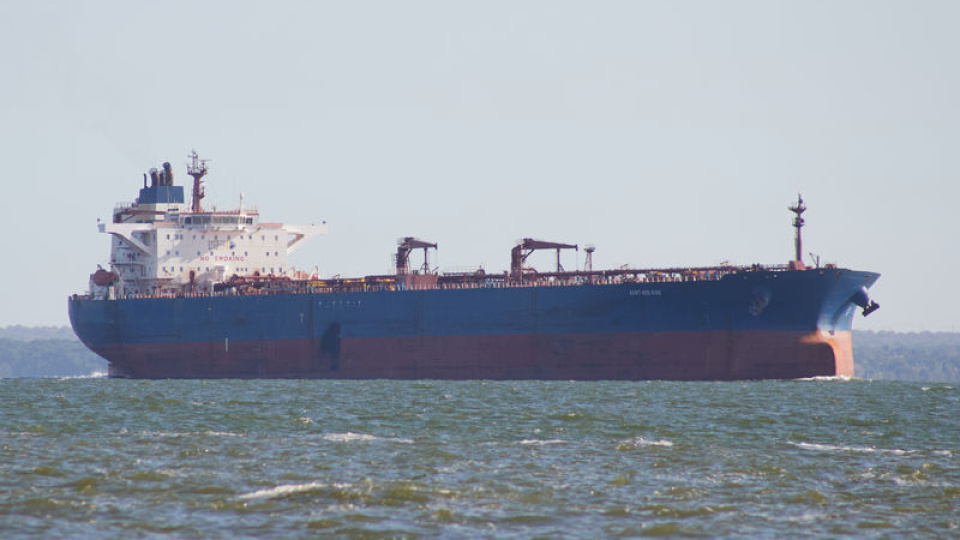
U.S. President Donald Trump’s order to widen the scope of sanctions against Venezuela, implementing a total blockade on all oil vessels in the region, has led to an almost 2% increase in global crude oil prices. This development has brought increasing geopolitical concerns back to the forefront, overshadowing the negative fuel demand expectations that had recently been prevalent in the public eye.
Strict Sanctions Against Venezuela
The U.S. administration has intensified sanctions against Venezuela by designating its leadership as a "foreign terrorist organization." In this process, the U.S. Coast Guard seized a sanctioned vessel off the coast of Venezuela. Furthermore, uncertainties remain regarding the technical details of the blockade and the level of participation of the Coast Guard in operations, especially with the increase in naval presence.
Possible Effects on the Supply Chain
While the effects on the supply chain are not yet clear, it has been observed that Chevron continues to import crude oil from Venezuela under a special permit from the U.S. Treasury Department. Venezuela’s share of global oil supply is currently around 1%; a significant portion of this process is carried out specifically for China. China's share of total oil imports is recorded to be about 4%.
Recent Stock Data Supports Prices
Stock data from the U.S. is another factor supporting oil prices. According to preliminary data from the American Petroleum Institute, U.S. petroleum stocks have decreased by 9.3 million barrels last week. This figure stands out as significantly above analysts' expectations (a decrease of 1.1 million barrels). Investors are awaiting the official report from the Energy Information Administration (EIA) to clarify the extent of this contraction.
Sizin İçin Derlendi



Benzer Haberler

.png)
Yakında Tüm Platformlarda
Sizlere kesintisiz haber ve analizi en hızlı şekilde ulaştırmak için. Yakında tüm platformlarda...
.png)