

Water Waste in Turkish Agriculture: 25 Billion Cubic Meters Lost
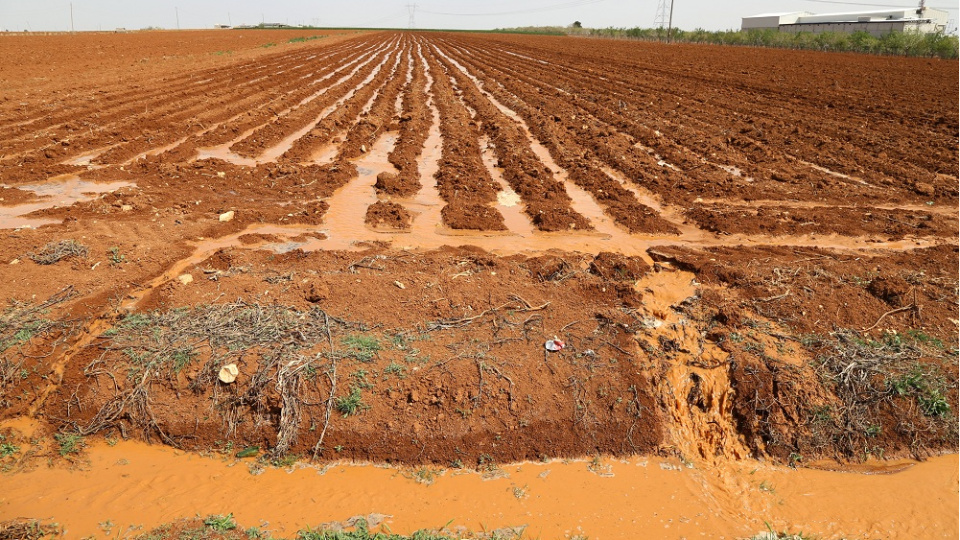
Attention to Water Waste in Turkish Agriculture!
Prof. Dr. Yusuf Demir, a faculty member at Ondokuz Mayıs University (OMU) Faculty of Agriculture, reported that approximately 25 billion cubic meters of the 45 billion cubic meters of water used in agriculture in Turkey is wasted annually. This situation indicates that the country is approaching the threshold of water scarcity.
World Wetlands Day and Water Management
Speaking at a meeting organized by the 11th Regional Directorate of Nature Conservation and National Parks in the Kızılırmak Delta Bird Paradise, Demir emphasized that water is a vital resource for both the world and Turkey.
Turkey's Water Potential and Usage
According to official data, Turkey's total water potential is 112 billion cubic meters, of which 75 billion cubic meters is actively used. Among this total water, 45 billion cubic meters is used solely for agricultural irrigation. However, due to incorrect irrigation methods, 25 billion cubic meters of this water is wasted. With this amount, Turkey loses more water in agriculture than its population uses in households and industry.
A Country on the Edge of Water Scarcity: Turkey
Prof. Dr. Demir stated, “Turkey has a total water potential of 112 billion cubic meters and serves a population of 85 million. This means 1,100 cubic meters of water per person, which is above the 1,000 cubic meters threshold indicating water scarcity. The Aegean and Marmara regions are particularly in a situation of water scarcity.”
Water Consumption in Rice Production
Explaining the effects of water waste with examples, Demir noted, “In Turkey, it takes 3.5 tons of water to produce a handful of rice. To produce 2 tons of rice, a full reservoir of water is required. Therefore, we must be aware of the waste.”
Global Water Issues
Globally, it is recorded that 1 billion people have to live with 2 liters of water daily, and every day 6,000 children die from water-related diseases. It was emphasized that Turkey needs to carry out water management more efficiently, considering this situation.
```Sizin İçin Derlendi




Benzer Haberler


.png)
Yakında Tüm Platformlarda
Sizlere kesintisiz haber ve analizi en hızlı şekilde ulaştırmak için. Yakında tüm platformlarda...
.png)