

Reconstruction Process in the Earthquake Zone: Expectations for Economic Development
Post-Earthquake Reconstruction and Economic Development
OLCAY BÜYÜKTAŞ
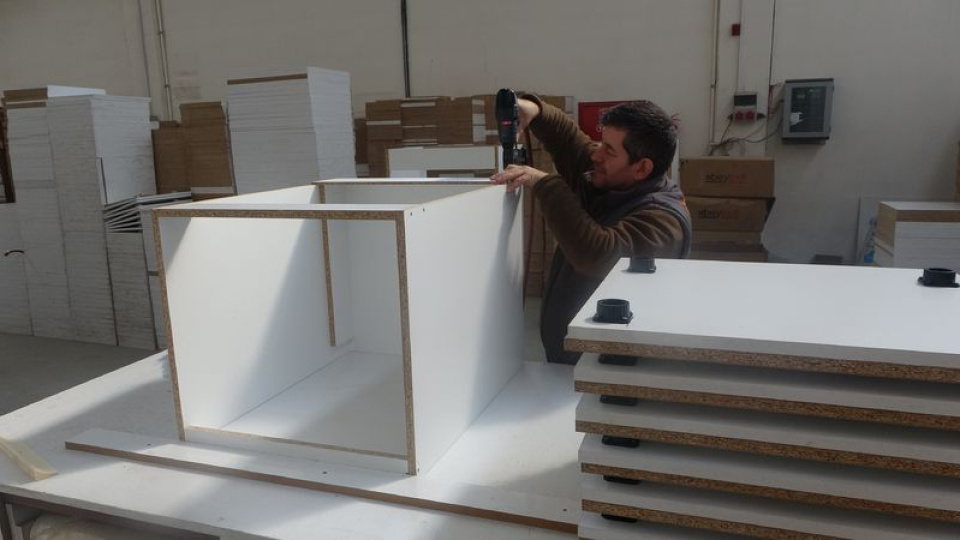
The earthquakes that occurred in Kahramanmaraş on February 6 created a significant turning point in the Turkish economy. After this period known as ‘the longest night’, a large portion of the destroyed housing has been completed, and 85% of the citizens who returned to their cities have come back. Schools and workplaces have either been rebuilt or strengthened, but there are still deep scars concerning economic life.
Impact on Turkey’s Economy
In 11 provinces where significant destruction took place, accounting for 10% of Turkey’s Gross Domestic Product (GDP) and 15% of agricultural value added, the immediate aftermath of the earthquake saw major declines in sectoral production, even though reconstruction efforts did not significantly change the GDP share.
The presidents of the chambers of commerce and industry in Kahramanmaraş, Hatay, and Malatya emphasized that it is impossible to reach the old levels of factories and workforce. Business people stress that the earthquake-affected region needs to focus not only on building construction but also on financing and employment issues.
Hatay: It Is Difficult to Maintain Economic Balance
Hatay Chamber of Commerce and Industry President Hikmet Çinçin stated that production in the city has not completely halted, but that economic balance has yet to be achieved. Official data indicate that 87,230 structures and 322,639 independent sections sustained severe damage in Hatay. By 2025, a total of 86,754 independent sections are expected to be delivered.
Hatay targets 3.8 billion dollars in exports by 2025. However, difficulties in financing and loss of workforce still remain among the greatest obstacles.
Kahramanmaraş: The Rebirth Process
Kahramanmaraş Chamber of Commerce and Industry President Mustafa Buluntu believes that the city’s industry has regained a production reflex. However, exports which reached 1.46 billion dollars in 2022 are expected to drop to 1.12 billion dollars in 2024 and then rise to 1.28 billion dollars in 2025. The loss of skilled labor is one of the most critical issues.
Malatya: Struggles Continue
Malatya Chamber of Commerce and Industry President Oğuzhan Ata Sadıkoğlu stated that recovery has not yet reached pre-February 6 levels. A total of 35,680 buildings suffered severe damage and 27,500 workplaces became unusable. Although 103,000 independent units have been delivered so far, many businesses are still operating in containers.
Financial Difficulties and Migration Issues
Sadıkoğlu mentioned that 103,000 people have migrated from Malatya, predominantly consisting of skilled labor, and pointed out that high interest rates have negatively impacted the production process. Interest rates around %45-50 are directly putting pressure on employment and exports.
In all three cities, residential construction is progressing rapidly; however, commercial and social life is not recovering at the same pace. The chamber presidents stress that instead of new construction projects, long-term financing, the return of skilled labor, and the economic revitalization of city centers have now become essential needs.
```Sizin İçin Derlendi


Benzer Haberler
.png)
Yakında Tüm Platformlarda
Sizlere kesintisiz haber ve analizi en hızlı şekilde ulaştırmak için. Yakında tüm platformlarda...
.png)