

Developments to Watch in the Markets in the New Week
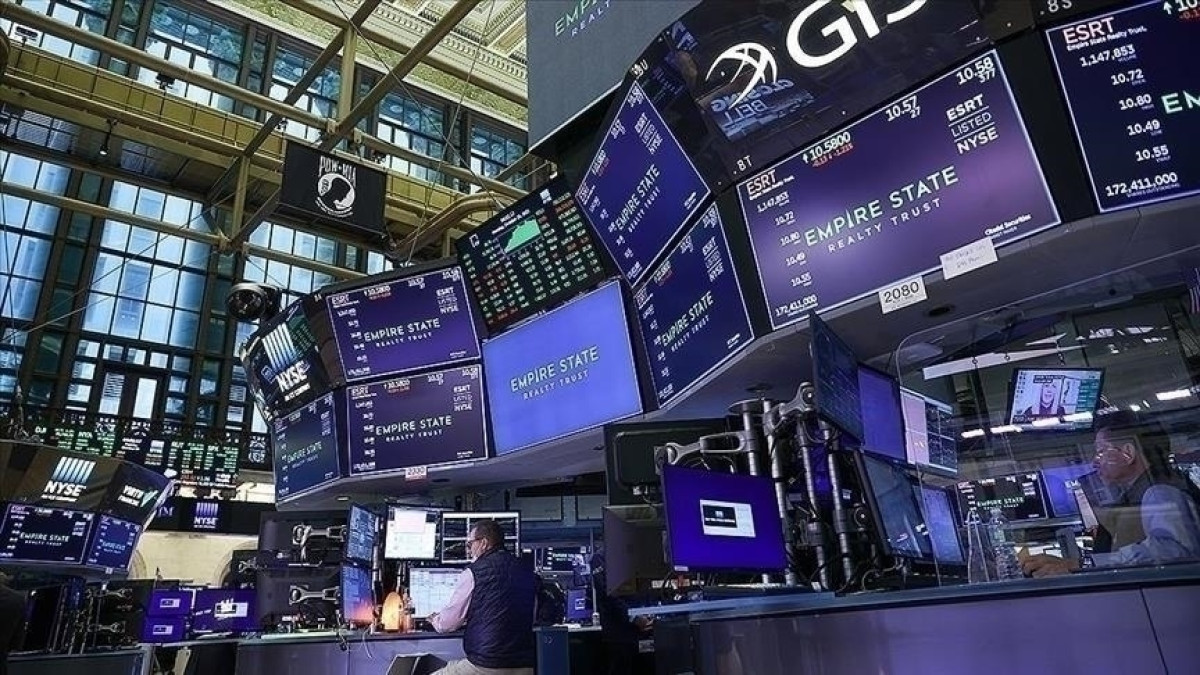
Uncertainty Period Continues in Global Markets
At the end of January, when global financial markets are experiencing volatility, the United States continues its fourth-quarter earnings season. Particularly, the dollar has shown its worst January performance since 2018, falling to its lowest levels in four years. Next week, the earnings reports of major technology companies and the U.S. non-farm payroll data will be closely watched.
1. Weak Performance of the Dollar and Policy Impacts
Recently, the decline of the dollar has raised concerns among investors. U.S. President Donald Trump stated that the value of the dollar is "great," while Secretary of the Treasury Scott Bessent indicated that they would adhere to policies aimed at keeping the dollar strong. However, the increasing pace of this decline could amplify investors' search for protection of U.S. assets, which might put pressure on banks.
2. Expectations for Non-Farm Payroll Data
Investors are eagerly awaiting the January non-farm payroll data to be released on Friday. In a Reuters survey, economists predict the employment to increase by 70,000. In December, this figure was recorded at 50,000. The Fed had decided to keep interest rates steady, emphasizing weaknesses in the labor market. This week, technology giants Alphabet (GOOGL) and Amazon will also release their fourth-quarter earnings reports.
3. Notable Fluctuations in Precious Metals
Precious metals such as gold and silver have recently lost their sharp gains. Gold reached levels of 5,600 dollars in the spot market but fell below 5,000 dollars before rising to 5,120 dollars. Similarly, silver spiked to 117 dollars but then retreated to 102 dollars. Possible changes in Fed policies could impact price fluctuations in these precious metals.
4. Japan's Bond Market Eyes Elections
In Japan, the bond market is undergoing a tough period ahead of Prime Minister Sanae Takaichi's campaign promise of economic revitalization spending. Takaichi's decision to call for early elections has led to an increase in yields on Japanese government bonds. On Tuesday, the auction for 10-year benchmark Japanese government bonds will be held, followed by the sale of 30-year bonds on Thursday.
5. Interest Rate Debates in the Eurozone
Before the upcoming monetary policy meeting of the European Central Bank (ECB), investors will monitor how the appreciating euro will affect interest rates. The pressure on the dollar has caused the euro/dollar exchange rate to increase by 3% over the last two weeks, surpassing the 1.20 threshold. The ECB is expected to keep interest rates unchanged, but discussions are ongoing regarding the negative impacts of the appreciation.
Sizin İçin Derlendi




Benzer Haberler



.png)
Yakında Tüm Platformlarda
Sizlere kesintisiz haber ve analizi en hızlı şekilde ulaştırmak için. Yakında tüm platformlarda...
.png)