

Metal Storm in the Markets: Copper Prices on the Decline
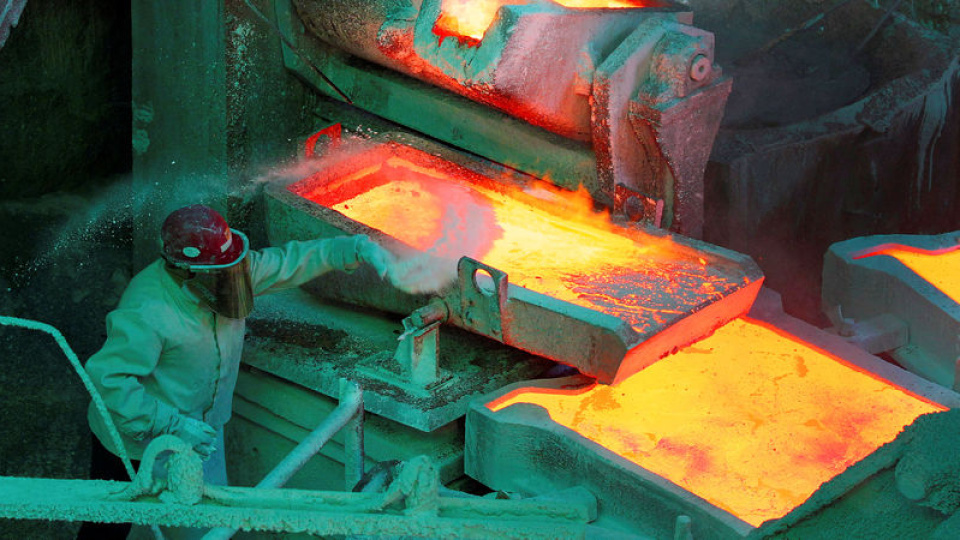
The Copper Storm Continues in the Markets
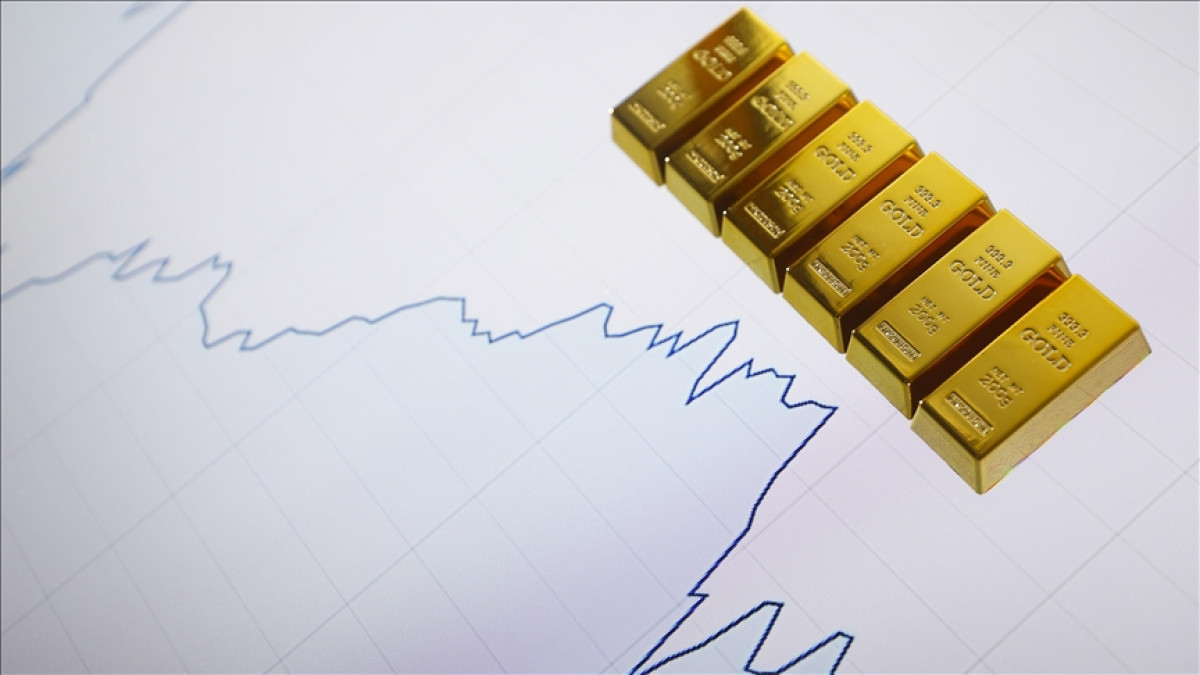
Copper, one of the leading indicators of global commodity markets, has been losing value following the record it broke last week. Copper prices on the London Metal Exchange (LME) have dropped to 12,425 dollars, a decrease of %5. After previously exceeding 14,500 dollars and breaking an all-time record, copper is now below 13,000 dollars.
Severe Sales and New Fed Candidate
This decline in copper prices has also been accompanied by other metals such as aluminum, tin, and nickel. The sharp sales wave in the markets is attributed to U.S. President Donald Trump's nomination of Kevin Warsh, known for his tough stance on inflation, for the Fed Chairmanship. Expectations that Warsh could adopt a stricter monetary policy stance have negatively affected the risk appetite in the commodity markets.
Intense Metal Transactions from China
January has been a busy month for metal trading in the Shanghai Futures Exchange (SHFE). Despite price fluctuations, Chinese experts argue that the medium-term outlook remains positive. Gao Yin, an analyst at Shuohe Asset Management, stated, "Some funds are exiting to avoid risk ahead of the upcoming Chinese New Year holiday. However, the underlying logic of this wave of increase is still valid."
Short-Term Buying Opportunities
Li Yaoyao, an analyst at Xinhu Futures, noted, "This short-term correction will present a good buying opportunity. Copper is entering a 'super cycle' where we will continue to see permanent highs."
Weak Demand in the Real Sector
In contrast to the volatility in financial markets, physical demand in the real sector remains weak. The unexpected decline in manufacturing activities in China in December and factories preparing for holidays have weakened the connection between copper and physical markets. Analysts emphasize that the expectations for increases in copper prices are more linked to macroeconomic factors such as global monetary policies and fiscal expansion rather than fundamental demand.
Sizin İçin Derlendi




Benzer Haberler
.png)
Yakında Tüm Platformlarda
Sizlere kesintisiz haber ve analizi en hızlı şekilde ulaştırmak için. Yakında tüm platformlarda...
.png)