

Global Markets Week of the Fed: Fluctuations and Expectations
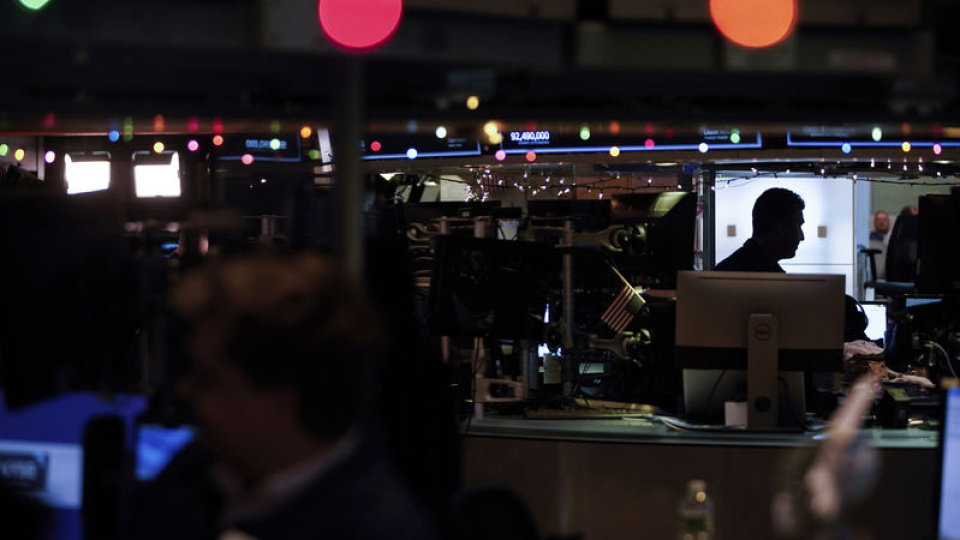
Calm But Volatile Week on Wall Street
This week, Wall Street markets closed relatively calmly after a volatile week as investors turned their attention to the Fed's decision and the upcoming earnings season.
Trump's Tariff Threat and Market Reactions
Earlier in the week, President Trump’s threat to impose tariffs on some European countries regarding Greenland eased slightly with positive statements from the NATO Secretary-General, but it still led to the S&P 500 experiencing its first consecutive two-week decline since June, despite a recovery on Friday.
The index closed the week at 6,915 points.
Movements in the Technology Sector
Reports that China might prepare orders for H200 AI chips caused a 1.5% rise in Nvidia shares. Conversely, Intel experienced a significant 17% loss in value.
Small-Cap Companies and the Bond Market
Small-cap companies lagged behind the S&P 500 after 14 days. While the bond market is expected to remain calm, the dollar had its worst week since May.
Oil Prices and Geopolitical Developments
The possibility of a military intervention by the US in Iran and a major winter storm expected in the country raised oil prices. Meanwhile, US and European futures indices lost value. Japan's potential involvement in currency intervention led to a decline in the value of the dollar against major currencies.
Effects in the Asian Market
Asian currencies benefited positively from the weakness of the dollar. The Malaysian ringgit reached its highest level since 2018, while the South Korean won rose to its highest level in about three weeks. The Singapore dollar hit its highest level since 2014. In Asian stock markets, the Japanese market was trading lower due to the yen's rise, while limited increases were observed in the Chinese stock market.
Sizin İçin Derlendi





Benzer Haberler


.png)
Yakında Tüm Platformlarda
Sizlere kesintisiz haber ve analizi en hızlı şekilde ulaştırmak için. Yakında tüm platformlarda...
.png)