
Access to Coinbase and Gemini Restricted in the Philippines
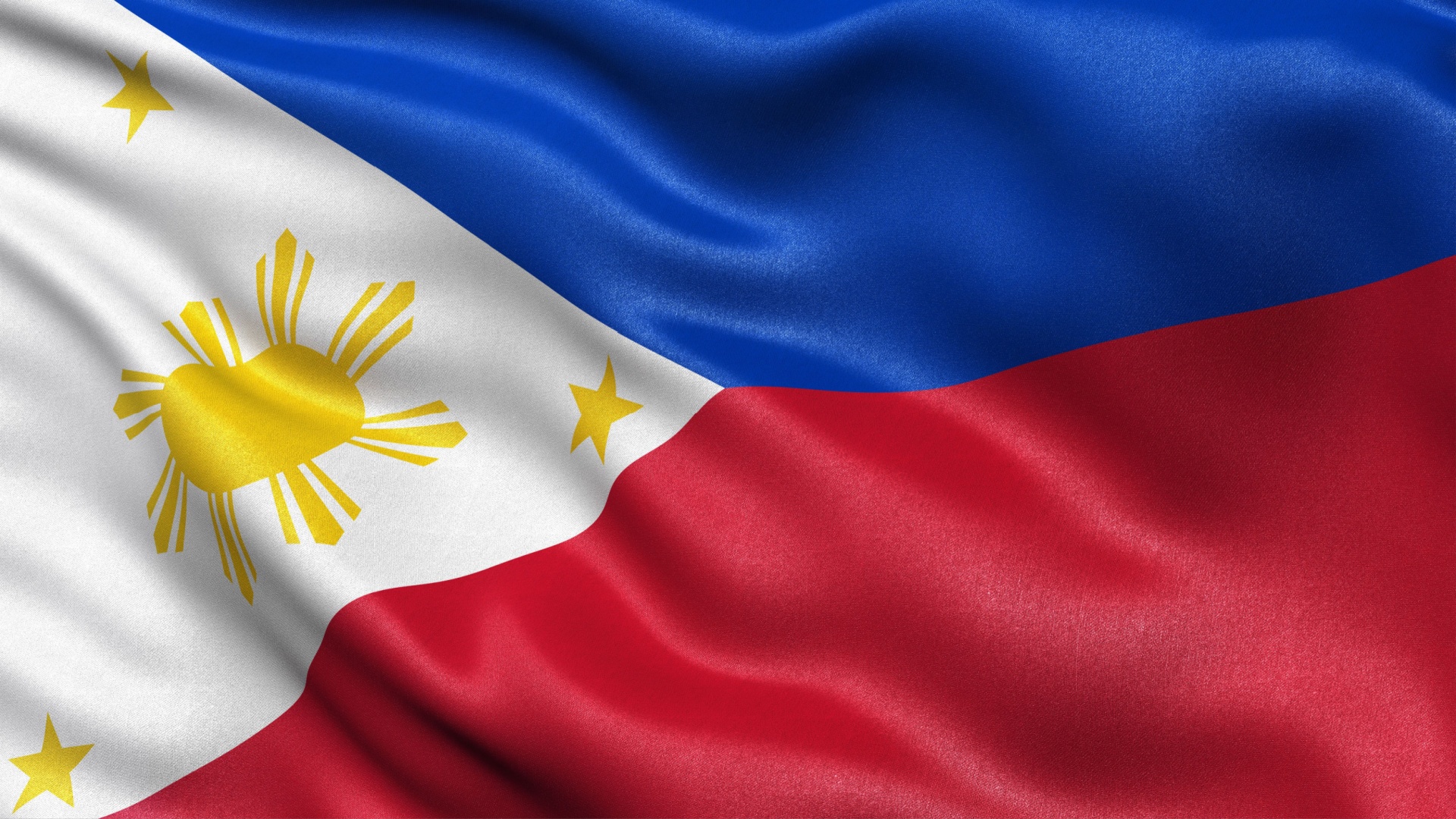
The Philippines has continued to increase its regulatory oversight of cryptocurrency exchanges, restricting access to major platforms such as Coinbase and Gemini. This situation arose as local internet service providers acted in accordance with regulators' instructions. Users reported that they were unable to access these platforms as of Tuesday.
According to a report from Manila Bulletin, the directive issued by the National Telecommunications Commission (NTC) foresaw the restriction of access to 50 online trading platforms operating without a license. These platforms were flagged as unlicensed by the Bangko Sentral ng Pilipinas, the Central Bank of the Philippines. The central bank has not publicly disclosed the complete list of blocked platforms.
This development clearly indicates a shift in the Philippines' approach to the cryptocurrency market, moving from tolerance to actual oversight. It appears that having a local license has become a decisive factor for market access. Similar restrictions have previously been imposed on Binance, and increased regulatory scrutiny has been observed. In December 2023, a 90-day compliance period was granted to Binance, and in March 2024, the NTC issued instructions to local providers to block access. The Philippines Securities and Exchange Commission then asked Apple and Google to remove the Binance app from their stores, and recently, it was announced that 10 exchanges, including OKX, Bybit, and KuCoin, were operating without a license.
The increase in all this pressure has allowed licensed companies to offer new solutions. On November 19, the exchange PDAX partnered with payroll company Toku to allow remote workers to receive their salaries in stablecoins. Additionally, on December 8, digital bank GoTyme launched a service in partnership with Alpaca that enables the purchase and custody of 11 cryptocurrency assets through its application.
Sizin İçin Derlendi



.png)
Yakında Tüm Platformlarda
Sizlere kesintisiz haber ve analizi en hızlı şekilde ulaştırmak için. Yakında tüm platformlarda...
.png)