

Davos 2026: Investment Opportunities and Economic Developments
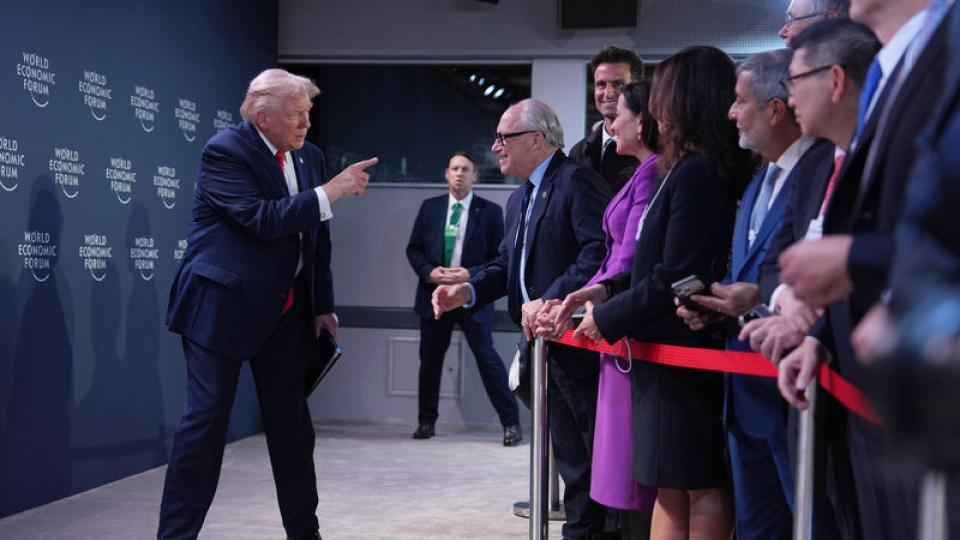
Davos 2026: Economic and Investment Opportunities
ERDAL AYDIN
With approximately 3,000 participants and leaders from 130 countries, cooperation messages were conveyed in Davos. Canadian Prime Minister Mark Carney’s statement, "We must accept the world as it is, not as we wish it to be," stood out.
At Davos, a new era has begun with the end of the rules-based international order, where the discussions are now built on the realities of realpolitik rather than the ideals of liberal democracies. This situation serves as a historical anecdote that 2026 marks a year when capital strategies shifted from efficiency to security.
The Situation of Inflation: Has the War Ended?
As we enter 2026, the global economy is surprisingly resilient. While the IMF forecasts a growth of 3.3%, Goldman Sachs paints an optimistic picture for the US. However, inflation remaining above the target at 2.7% suggests, according to IMF President Kristalina Georgieva, that it is too early to declare victory.
A clear message for investors indicates that rapid declines in interest rates should not be expected. ECB President Philip Lane states that the current high-interest rates may persist for a few more years.
Artificial Intelligence and Infrastructure Investments
The star of Davos was artificial intelligence. Nvidia CEO Jensen Huang summarized this change by stating, "Artificial intelligence is no longer just a software business; it is the largest infrastructure project in human history." It appears that giants like Microsoft, Amazon, and Google are planning capital expenditures in the range of $600-700 billion for 2026.
Nuclear Energy and Commodity Relations
Nuclear energy emerged as one of the prominent topics in Davos. President Trump gave the green light to small modular reactors, and uranium prices surged to a 20-year high. Uranium is now considered a strategic asset.
The increasing energy demand of data centers indicates that nuclear energy will be reevaluated. Teck Resources CEO predicts that copper demand may double by 2035.
Geopolitical Developments and Trade Routes
Important discussions were held in Davos regarding the "Underground Empire" and new dimensions of global trade. Notably, India drew attention with its trade agreement with the EU; this year, it is said to potentially become the new engine of global growth.
Demographic Revolution: Silver Tsunami
Demographic change and opportunities in the healthcare sector were highlighted at Davos. The aging population presents a significant market opportunity for pharmaceutical companies. Novo Nordisk and Eli Lilly are drawing attention with obesity drugs.
Safe Haven: Gold and Crypto Assets
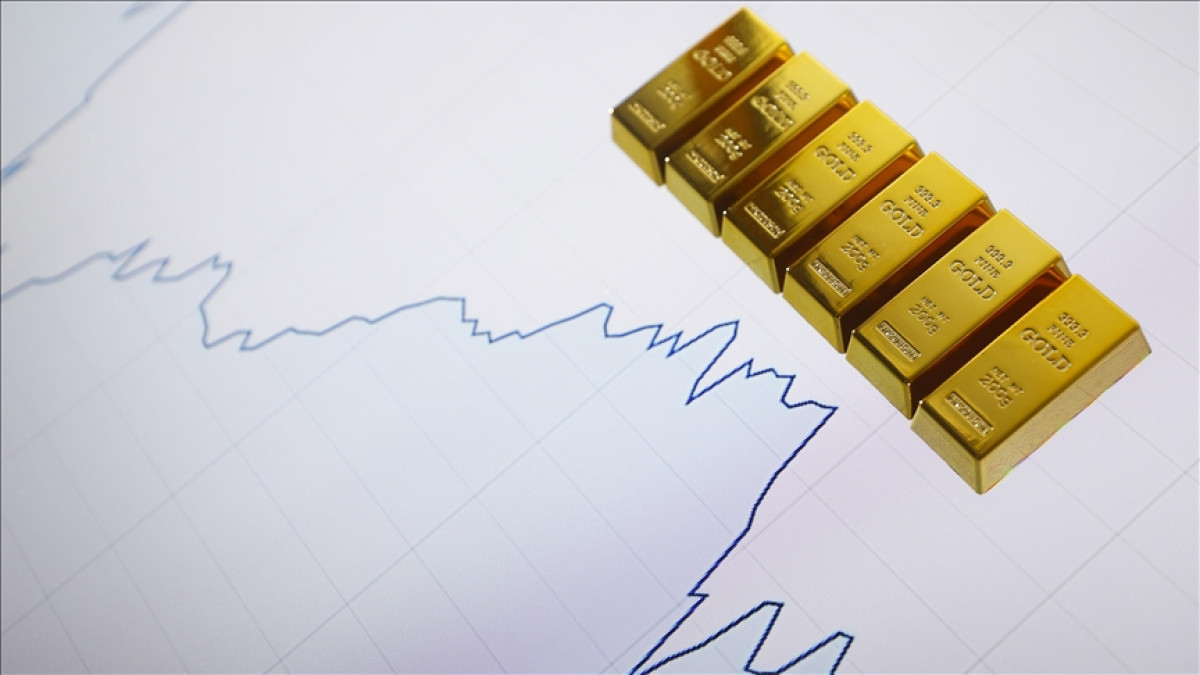
In 2026, crypto assets started to be taken seriously. However, gold remains a safe haven with potential value retention as central banks move away from the dollar. Analysts from J.P. Morgan and UBS predict that the value of gold will increase.
Investment Strategies for Davos 2026
Davos 2026 offers significant opportunities for investors. Throughout 2026, it may be sensible to focus on the following four pillars:
- Physical Artificial Intelligence Infrastructure
- Strategic Energy: Nuclear and Copper Investments
- Security: Defense Industry
- Value Preservation: Gold
In global markets, Mark Carney’s saying, "If you’re not at the table, you’re on the menu," and the shift of capital should be monitored closely.
```Sizin İçin Derlendi



Benzer Haberler

.png)
Yakında Tüm Platformlarda
Sizlere kesintisiz haber ve analizi en hızlı şekilde ulaştırmak için. Yakında tüm platformlarda...
.png)