

Transformation in the Aluminum Market: New Opportunities and Possibilities
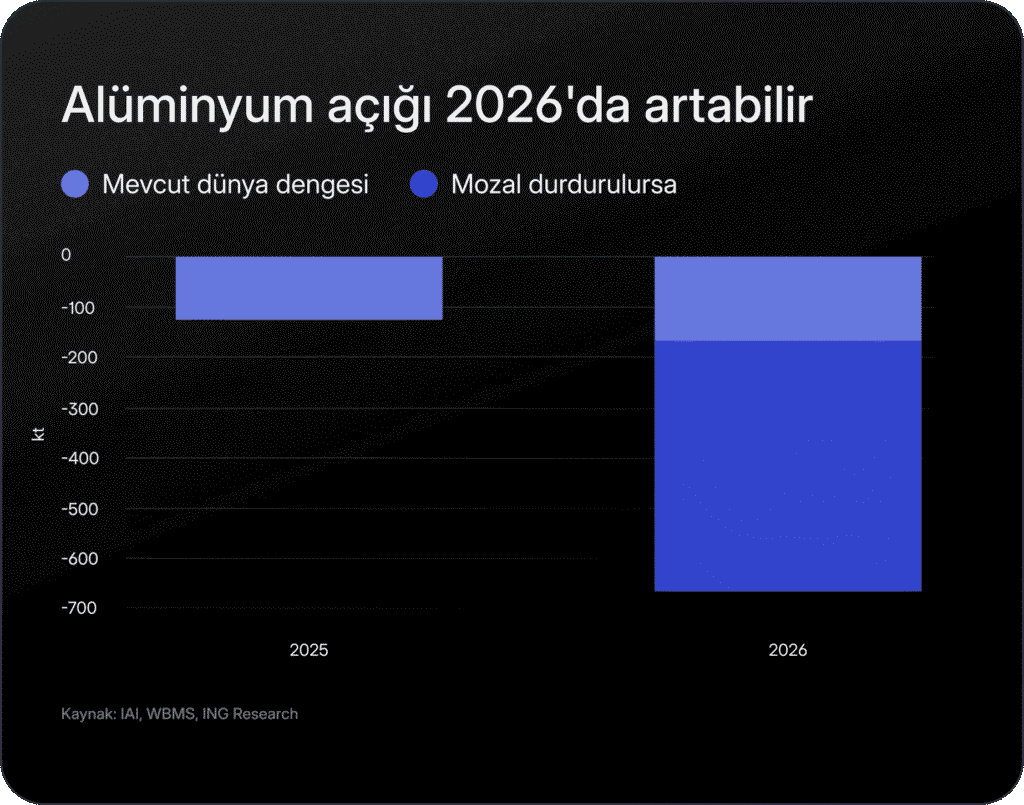
Transformation in the Aluminum Market
The aluminum market, which is one of the essential elements of the global economy, has entered a significant transformation process in recent years. With the end of metal abundance, a serious gap in global aluminum supply has begun to emerge. Economic data indicate that we have entered a period where new supply in aluminum will almost not materialize.
China's Production Limits
China accounts for more than half of the global aluminum production. However, the country has imposed a production limit of 45 million tons per year due to environmental protection measures. The fact that Chinese producers are utilizing 97% of their current capacities signifies that the amount of aluminum they offer to the global market will decrease significantly. This situation could negatively affect the European market, in particular.
Energy Wars and the Impact of Artificial Intelligence
The high energy required for aluminum production is currently in serious competition. Data centers utilizing artificial intelligence are willing to pay more for electricity contracts than aluminum producers, which could raise production costs. As a result of the energy crisis in Europe, 1 million tons of capacity have been taken offline, leading to factory closures.
The Risk of Mozal Plant Closure
The Mozal aluminum plant in Mozambique has decided to halt production, which could lead to a significant contraction in the European market. The drought in the region has resulted in insufficient hydroelectric power generation, making electricity subsidies more difficult. If Mozal closes, the repercussions on the market will be quite negative.
Expansion of Aluminum Usage Areas
In addition to traditional areas, the usage of aluminum in electric vehicles and renewable energy systems is increasing. Due to its high energy efficiency, aluminum is becoming an indispensable raw material in many sectors.
Trade Barriers and Tariffs
The 50% tariff imposed by the U.S. on aluminum from China is affecting the market negatively by raising prices. Countries like India and the United Arab Emirates are trying to fill this gap instead of suppliers like Canada. The increasing demand for low-carbon aluminum in Europe makes these new trade dynamics even more complex.
Indonesia's Rise
China's production limits have led to a significant increase in Indonesia's aluminum exports. The country, noted for its low-cost production capabilities, is offering new market opportunities.
Conclusion
The fluctuations observed in the aluminum market present both opportunities and risks for investors. Careful monitoring and strategic moves during this transformation process can yield gains.
```Sizin İçin Derlendi




Benzer Haberler


.png)
Yakında Tüm Platformlarda
Sizlere kesintisiz haber ve analizi en hızlı şekilde ulaştırmak için. Yakında tüm platformlarda...
.png)