
Germany's Business World Unexpected Decline: Ifo Index
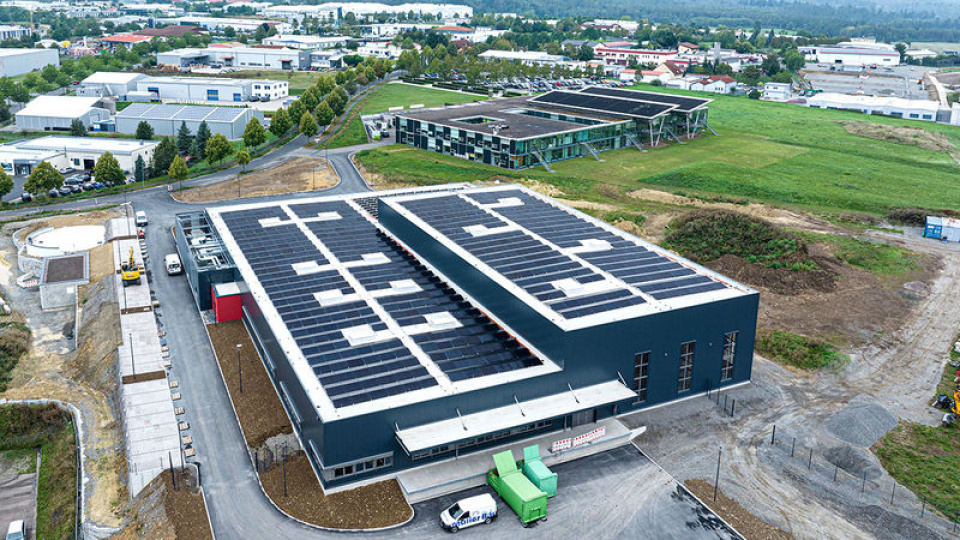
Business Outlook in Germany Declining
Ifo Institute announced that the expectation index for January fell from 89.7 in December to 89.5. The forecast by Bloomberg economists was expected to be 90.3. During the same period, the current conditions index saw a slight increase.
Economy Started with Low Momentum
Ifo President Clemens Fuest stated that the German economy started the new year with low momentum. While the business climate among manufacturers sharply improved, deteriorations were observed in the services sector.
Growth Expectations and Government Spending
The largest economy in Europe, Germany, expects to record growth by 2025. The government announced that it would support this recovery with infrastructure and defense spending. Prime Minister Friedrich Merz deemed last year’s growth of 0.2% as insufficient.
Forecasts for Future Years
The German Central Bank (Bundesbank) predicts that the economy will recover throughout 2026. Last week, the International Monetary Fund (IMF) raised Germany’s growth forecast for 2024 to 1.1%.
Manufacturing Sector and Trade Relations
Another survey indicates that companies in the manufacturing sector continued to shrink in January due to tense trade relations with the US and intense Chinese competition, but this contraction occurred at a slower pace compared to previous periods.
BASF's Challenges
Chemical giant BASF reported a noticeable decline in its revenues last week. This situation reflects a long-standing downturn due to weak demand from the automotive sector and issues related to overcapacity.
Uncertainty of US Tariffs
US President Donald Trump had threatened new tariffs due to plans over Greenland. However, these statements were quickly retracted, yet the atmosphere of uncertainty continues.
Sizin İçin Derlendi




Benzer Haberler


.png)
Yakında Tüm Platformlarda
Sizlere kesintisiz haber ve analizi en hızlı şekilde ulaştırmak için. Yakında tüm platformlarda...
.png)