
What Are Profitable Stocks from the Artificial Intelligence Memory Bottleneck?
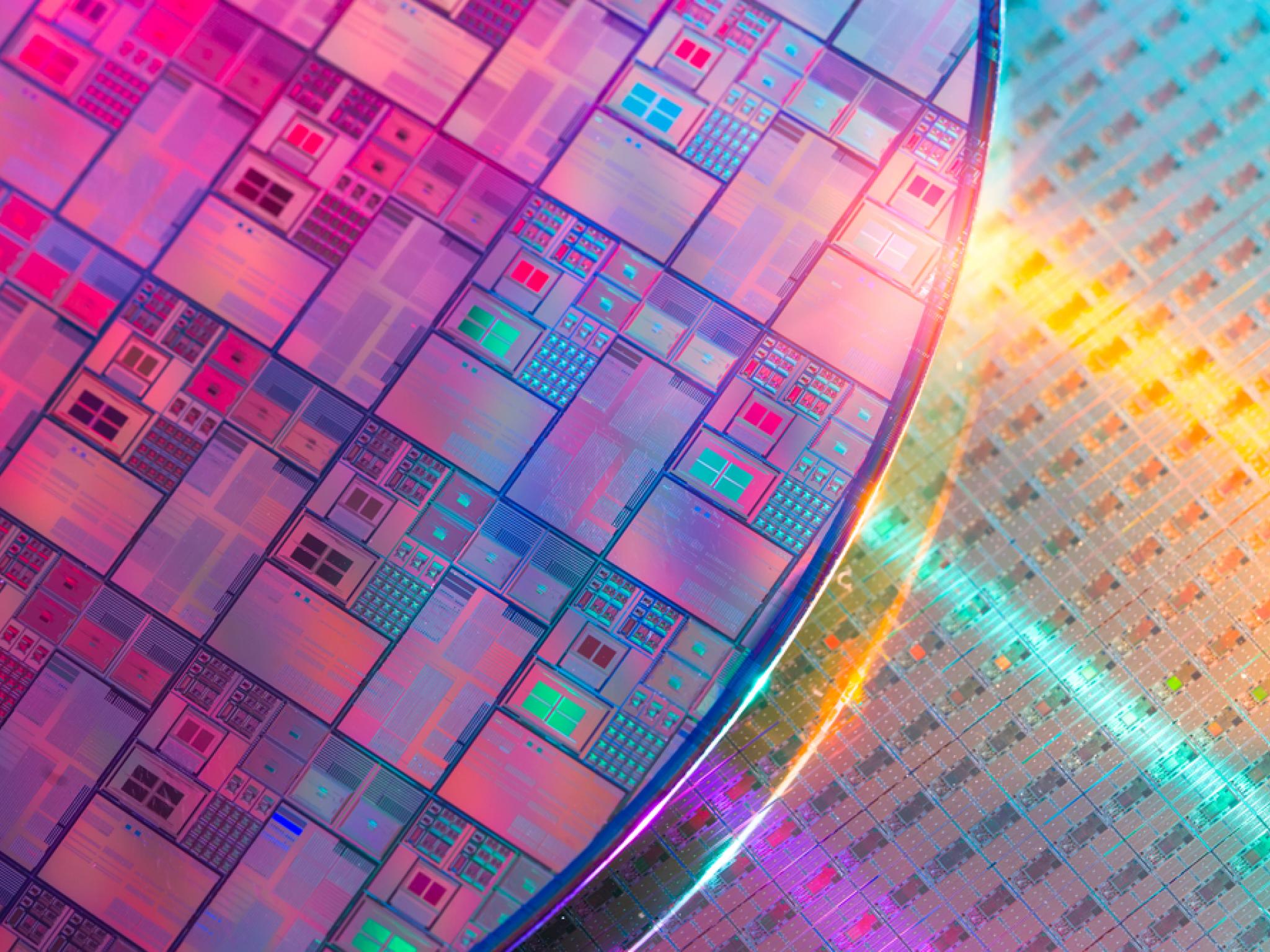
The Rise of Memory Bottleneck in Artificial Intelligence
Recently, the topic of "memory bottleneck" in the world of artificial intelligence has been a subject of discussion in technology circles, presenting noteworthy opportunities for investors. Considering that AI models require not only processing power but also large capacities of DRAM (Dynamic Random Access Memory) and storage, the magnitude of the memory and storage issue becomes evident.
Increasing Memory Demand and Price Fluctuations
The rapid rise of AI workloads in data centers is significantly increasing memory demand. This situation creates an imbalance between supply and demand in the markets, causing memory prices to rise. The expectation that DRAM prices will increase by nearly 170% by 2025 and NAND memory prices by up to 250% is a reflection of this situation.
New price increases in memory are expected to strengthen in the first quarter of 2026. According to S&P reports, DRAM prices are projected to rise by 70% to 100% annually. This situation is particularly driven by the increasing memory needs of new technologies like autonomous vehicles.
Morgan Stanley's Analyses
Morgan Stanley analysts emphasize that the memory sector is at a critical juncture in terms of demand and application processes. The analyses indicate that favorable conditions for price increases by 2027 could create investment opportunities.
Analysts also predict that companies like Micron Technology (MU), which produces DRAM, and Western Digital (WDC), which operates in the corporate NAND space, will benefit from high pricing power. Applied Materials (AMAT), focusing on semiconductor equipment, also emerges as another significant player that is evaluating growth opportunities.
In particular, the rise of extreme ultraviolet (EUV) technology presents a substantial opportunity for high-capacity memory production. ASML (ASML) leads the market in EUV technology, offering a potential increase of 21.80%.
```Sizin İçin Derlendi

Benzer Haberler

.png)
Yakında Tüm Platformlarda
Sizlere kesintisiz haber ve analizi en hızlı şekilde ulaştırmak için. Yakında tüm platformlarda...
.png)