

Venezuela-U.S. Tension: Reflections in the Oil Market
Introduction
The capture of Venezuelan President Nicolas Maduro as a result of US airstrikes stands out as a significant development in terms of geopolitics. However, initial findings suggest that the impact of this situation on global oil markets may be limited.
Infrastructure Status
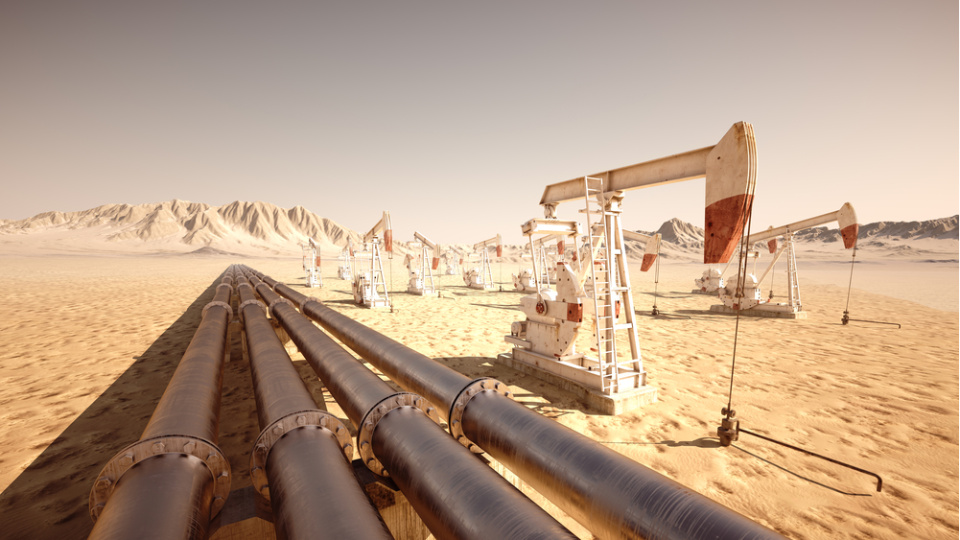
According to sources providing information on the subject, despite the US attacks on Caracas and its surroundings, Venezuela's oil infrastructure remains intact. Critical facilities such as Jose Port, Amuay Refinery, and Orinoco Belt continue to operate.
Market Analysis
Once one of the world's leading oil producers, Venezuela's production now represents less than 1% of global supply, following a significant decline over the past two decades. The pressures imposed by the US have led to the detention of oil tankers carrying Venezuelan crude and the closure of some oil wells.
President Trump's Statements
US President Donald Trump stated in announcements made last Saturday that sanctions on Venezuela's oil sector would continue and that US oil companies would contribute to the reconstruction processes. However, this process is expected to be long-term and complex.
Future Expectations
According to data from the International Energy Agency, global oil supply is expected to exceed demand by 3.8 million barrels per day by 2026. This situation could further lower oil prices, as crude oil prices have recently fallen to around 60 dollars per barrel.
Analysts' Views
The chief analyst at A/S Global Risk Management, Arne Lohman Rasmussen, expects Brent oil prices to increase by only 1-2 US dollars at the market opening on Sunday evening. Seasonal weak demand and OPEC+ production increases are among the factors supporting excess supply.
OPEC Meeting and the Future
Venezuela is an OPEC member along with its allies, including Russia. In the meeting scheduled for Sunday, OPEC and its partners are expected to maintain the decision to freeze previous production increases. This had already been indicated by several delegates earlier in the week.
```Sizin İçin Derlendi


Benzer Haberler

.png)
Yakında Tüm Platformlarda
Sizlere kesintisiz haber ve analizi en hızlı şekilde ulaştırmak için. Yakında tüm platformlarda...
.png)