

Options: Offering Investment Opportunities with Limited Risk

What are Warrants?
When investing, we often find ourselves balancing between not missing opportunities and not risking our savings. Warrants are a practical financial instrument that offers access to price movements with limited risk and minimal capital. In its simplest form, a warrant is a security that gives the holder the right to buy or sell a financial asset at a specific price in the future. The amount you pay for this right is defined as the "premium." This situation allows you to determine your risk upfront; thus, in case of a decline in stock value or increased volatility of an index, your loss is limited to this predetermined amount.
Underlying Assets of Warrants
The scope of warrants is quite broad. They generally trade based on the following underlying assets:
- Currency Exchange Rates: Dollar/TRY, Euro/TRY, Pound/Dollar
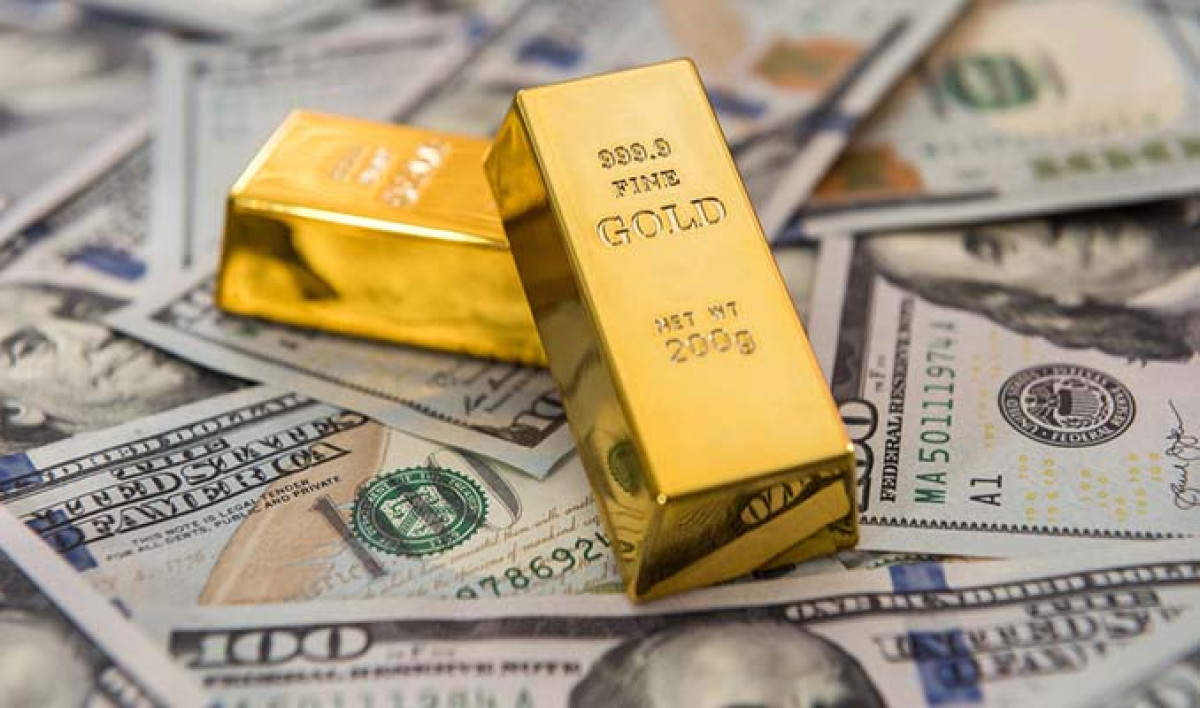
- Precious Metals: Gold, silver, copper
- Global Indices: S&P 500, Nasdaq
This wide range allows investors to access many different market movements at a low cost without disrupting their existing portfolio. For example, if you have a gold-heavy portfolio and are concerned about the fluctuations of the Turkish Lira, you can hedge currency risk with a small warrant. This way, you can provide protection against short-term price fluctuations without touching your existing gold holdings.
Differences Between Warrants and Options
While warrants and options offer similar functions, they have some structural differences that are particularly important for risk-averse investors:
- Issuer Difference: Options are traded on exchanges, while warrants are issued by banks or brokerage firms.
- Loss Limitation: Losses on warrants are more straightforward and do not involve margin or additional liabilities.
- Entry Barrier: Warrants are more accessible and offer a less complex structure than options.
- Standardization: The maturity, exercise price, and multiplier of warrants are fixed.
- Behavior During Maturity: The price of warrants varies depending on both the underlying asset and the passage of time.
These advantages enable investors to clearly understand what they are buying and in which scenarios it will be useful.
How to Trade Warrants?
Warrant transactions can be explained to investors with a few examples:
- Portfolio Protection: If you have BIST 30 stocks and are wary of short-term risks, you can mitigate potential declines by purchasing a small put warrant.
- Gold Management: You can use a sell warrant for corrections expected in gram gold without touching your gold position.
- Low-Cost Experimentation: You can use call warrants to conduct low-risk experiments on a particular stock.
- Managing Currency Risk: You can take controlled positions with a call warrant to manage uncertainties regarding Dollar/TRY.
In summary, warrants offer an ideal solution for investors looking to gain flexibility without disrupting their portfolio.
```Sizin İçin Derlendi





Benzer Haberler


.png)
Yakında Tüm Platformlarda
Sizlere kesintisiz haber ve analizi en hızlı şekilde ulaştırmak için. Yakında tüm platformlarda...
.png)