

Turkey's Economic Management is Taking Precautions Against Synthetic Swap Transactions.

Economic Management Aims to Curb Low-Cost Funding
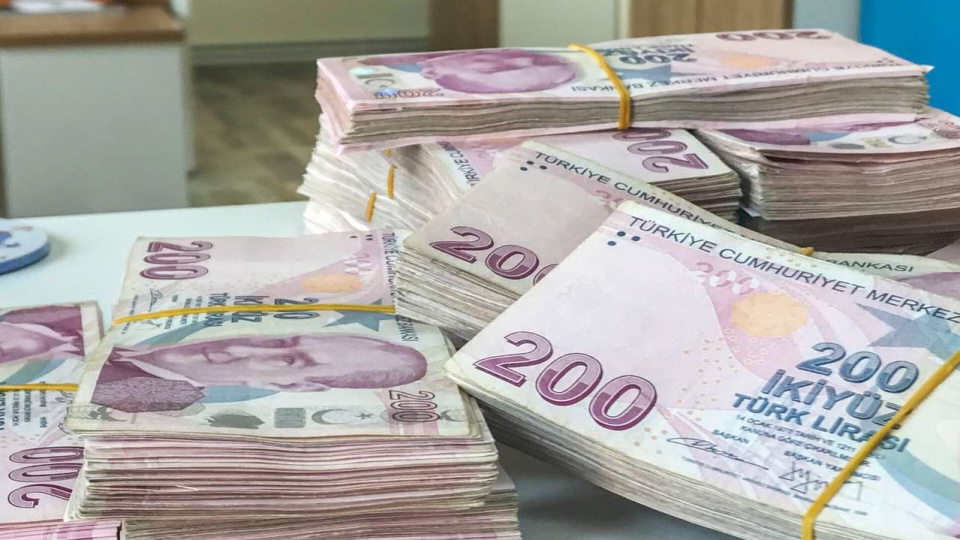
The Turkish economic management is tightening its controls to restrict banks' access to low-cost funding through the London market and to manage the flow of 'hot money'.
BDDK's Synthetic Swap Warning
The Banking Regulation and Supervision Agency (BDDK) emphasized in a warning letter sent to banks that they should avoid using 'synthetic swap' transactions that facilitate access to the TL market abroad.
Growing Concerns and Contacts
According to information obtained by Bloomberg from sources related to the matter, concerns are increasing that some banks have exceeded their offshore swap limits with synthetic transactions following meetings involving authorities from the Central Bank of the Republic of Turkey (TCMB) and the Treasury in London and New York.
Differences in Financing Costs
This mechanism allows banks to access TL liquidity from foreign markets at around 30% cost instead of the 37% funding cost set by the Central Bank. It is noted that the volume of these transactions reaches billions of dollars and they go beyond current restrictions because they are not officially reported as 'swaps'.
Risks: The Impact of Cheap Credit
There are concerns that the availability of cheap credit could threaten the Central Bank's tight monetary policy in the context of combating inflation. Additionally, the increase in London-based 'carry trade' transactions poses the potential to create high volatility risks in the markets due to sudden exits of speculative capital.
Sizin İçin Derlendi



Benzer Haberler


.png)
Yakında Tüm Platformlarda
Sizlere kesintisiz haber ve analizi en hızlı şekilde ulaştırmak için. Yakında tüm platformlarda...
.png)