

Global Food Prices Decrease in November 2023!
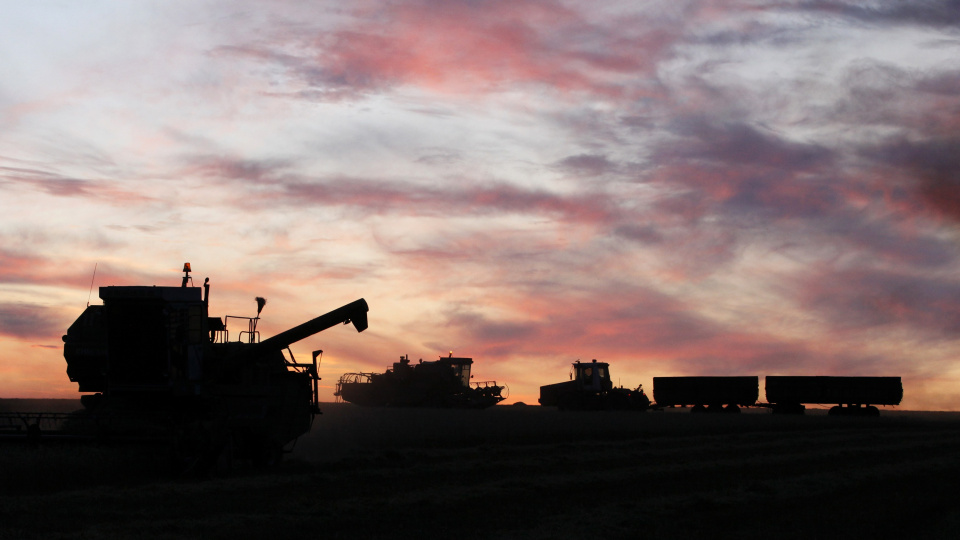
Global Food Prices Experienced Decline in November 2023
According to FAO Food Price Index data, global food prices recorded a decrease of 1.2% in November. This marks the third consecutive monthly decline, while there was a 2.03% decrease on an annual basis.
Price Adjustments and Sectoral Developments
Decreases in prices of dairy products, meat, sugar, and vegetable oils offset the increase in the cereal index. The FAO Cereal Price Index rose by 1.8% in November but remained 5.3% below the level of the previous year.
Effects on Wheat and Corn Markets
In November, wheat prices increased by 2.5%, driven by concerns over China's potential to source wheat from the USA and escalating tensions in the Black Sea region. International corn prices also rose due to strong demand from Brazil and disruptions in agricultural activities caused by rains in Argentina.
Decline in Vegetable Oil Prices
The FAO Vegetable Oil Price Index fell by 2.6% in November, reaching its lowest level in five months. This decline was driven by price decreases in palm oil and sunflower oil. High production levels in Malaysia supported the drop in palm oil prices, while positive production expectations contributed to the decline in canola oil prices.
Notable Developments in Meat Prices
The FAO Meat Price Index decreased by 0.8% on a monthly basis, while it continued a 4.9% annual increase. The decline in prices of pork and poultry meat persisted due to a decrease in Brazil’s export values.
Ongoing Decline in Dairy Prices
The FAO Dairy Products Price Index dropped by 3.1% in November, marking the fifth consecutive month of decline. Abundant stocks in Europe and New Zealand contributed to the decrease in dairy product prices.
Situation of Rice Prices
The FAO All Rice Price Index declined by 1.5% due to harvests in the Northern Hemisphere and weak import demand.
In summary, the global decline in food prices reflects various market dynamics and supply-demand relationships, shaped particularly by production levels and demand changes in major exporting countries.
Sizin İçin Derlendi




Benzer Haberler


.png)
Yakında Tüm Platformlarda
Sizlere kesintisiz haber ve analizi en hızlı şekilde ulaştırmak için. Yakında tüm platformlarda...
.png)