
Private Sector Activities in the Euro Area Continue to Grow
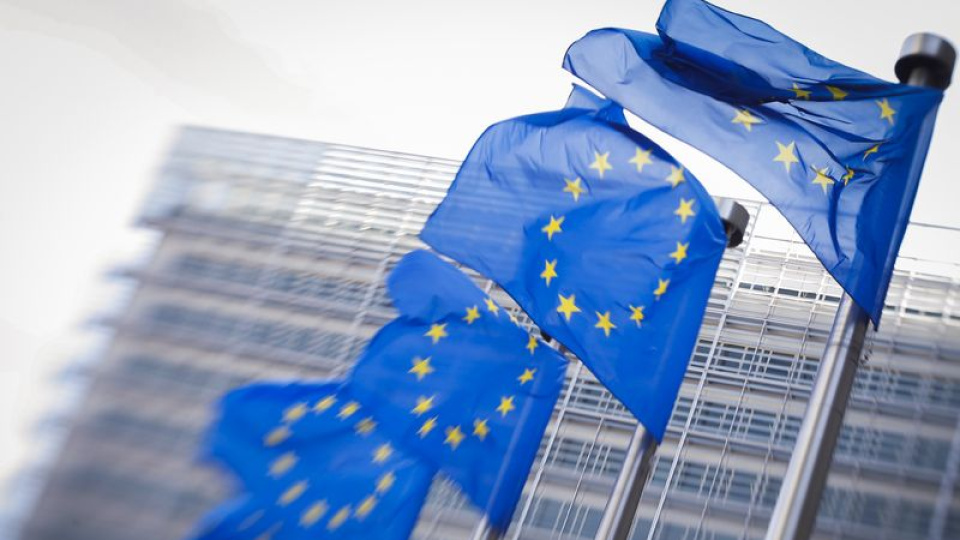
Growth Signs in Private Sector Activity in the Eurozone
S&P Global reported that the Composite Purchasing Managers' Index (PMI) remained at 51.5 for the second consecutive month, signaling growth above the 50 threshold. Analysts had predicted that the index could rise to 51.9.
Germany and France: Contrasting Economic Performances
The Eurozone's largest economy, Germany, outperformed expectations with improvements in the manufacturing and services sectors. However, France disappointed due to internal political turmoil, negatively affecting demand.
Expert Comments and Economic Outlook
Cyrus de la Rubia, an economist at Hamburg Commercial Bank, stated that the economic recovery still appears quite weak, saying, "As we enter the new year, the current situation may persist in the coming months."
Trade Tensions and Economic Effects
Following last year's tariff storm, the European economy began to feel the benefits of high government spending in Germany and other countries. However, threats from U.S. President Donald Trump regarding new tariff implementations suggest that trade remains a concern.
Investor Optimism and Eurozone Outlook
Germany's financial generosity has boosted investor optimism to the highest level in four years. Recent data indicate that the Eurozone's largest economy is expected to show recovery in 2025 after a two-year contraction, signaling potential growth ahead.
ECB's Economic Projections
The European Central Bank (ECB) forecasts that the Eurozone economy will grow by just over 1% while keeping interest rates at current levels, with inflation anticipated not to deviate much from the 2% target. De la Rubia emphasized that rising selling prices and accelerating input costs in the services sector are not reassuring for the ECB. He shared the idea that some hawkish members might argue that the next step should be upward.
Sizin İçin Derlendi

Benzer Haberler
.png)
Yakında Tüm Platformlarda
Sizlere kesintisiz haber ve analizi en hızlı şekilde ulaştırmak için. Yakında tüm platformlarda...
.png)