

Geopolitical Risks and Macroeconomic Developments in Commodity Markets
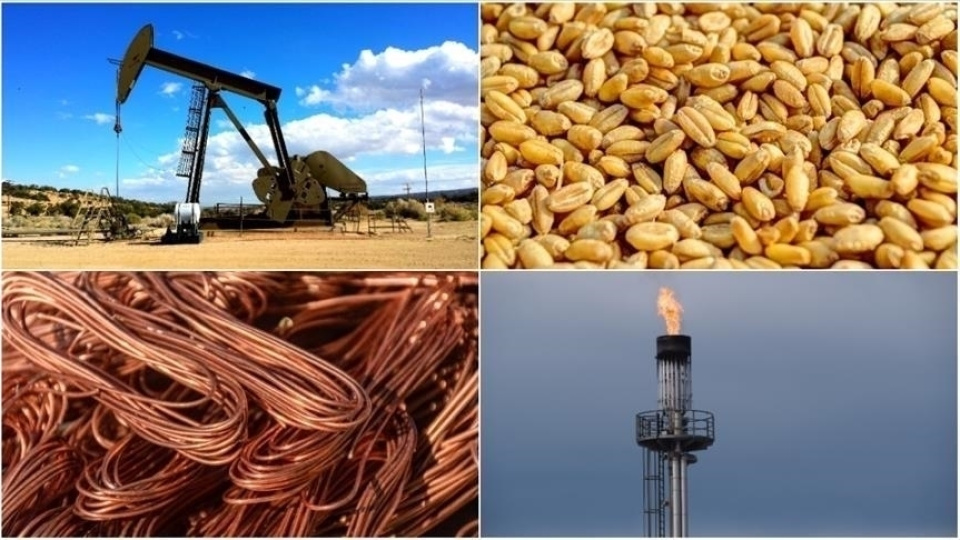
Geopolitical Risks Stand Out in Commodity Markets
In recent weeks, the U.S. administration's military intervention in Venezuela and the ousting of President Nicolas Maduro have begun to show their impact on geopolitical risks in the commodity markets.
Trump's Defense Budget Statements
Additionally, U.S. President Donald Trump's statements regarding the defense budget have caught the attention of investors. Trump stated on the Truth Social platform that the defense budget for 2027 should be 1.5 trillion dollars, which would enable the realization of the "dreamed" army structure.
Effects of Macroeconomic Data
The macroeconomic environment, specifically data from U.S. and China, plays a decisive role in commodity pricing. In the U.S., non-farm payroll growth last December was 50 thousand, falling short of expectations, while the unemployment rate decreased to 4.4%, and resilient service sector data showed that the services index rose to 54.4. China's manufacturing PMI increased from 49.2 to 50.1, moving into the growth territory.
Key Developments and Market Reactions
As a result of these developments, the U.S. 10-year treasury yield remains around 4.17%, and the dollar index increased by 0.7% to 99.1.
Activity in Precious Metals
In precious metals, palladium increased by 12.2%, silver by 10.2%, platinum by 6%, and gold by 4.1%. Bank of America has revised its price forecasts for palladium upwards for 2026.
Positive Trend in Base Metals
In base metals, copper increased by 3.5%, nickel by 5.6%, and aluminum by 4.1%. Expectations of new investments and incentives have influenced these increases.
Developments in Oil Markets
The price of Brent crude oil rose by 3.3% despite the limited impact of the U.S.'s military intervention in Venezuela, due to supply concerns.
Fluctuation in Agricultural Commodity Markets
Agricultural commodities have shown a fluctuating trend due to weather conditions and demand-related developments, with increases observed in products such as wheat and corn.
```Sizin İçin Derlendi


Benzer Haberler

.png)
Yakında Tüm Platformlarda
Sizlere kesintisiz haber ve analizi en hızlı şekilde ulaştırmak için. Yakında tüm platformlarda...
.png)