

The Border Carbon Tax of the EU starts on January 1st.
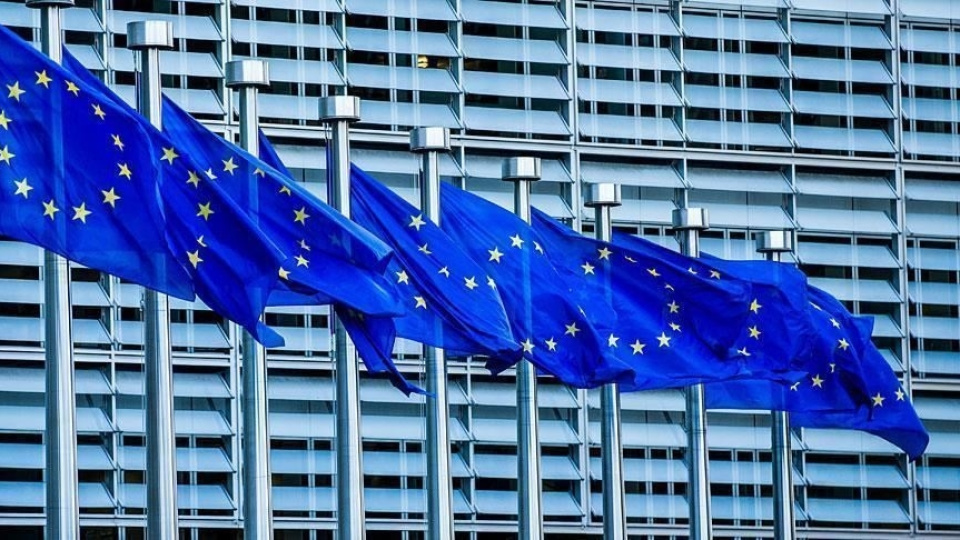
What is the Border Carbon Adjustment Mechanism?
The Border Carbon Adjustment Mechanism (CBAM), developed within the framework of the Green Deal of the European Union (EU) aimed at climate and environmental goals, will come into effect on January 1, 2024. Following a transition period of over two years, financial obligations will take effect.
Aiming to Prevent Carbon Leakage and Ensure Fair Competition
CBAM aims to reduce the risk of carbon leakage by equalizing the emission costs of imported products with those of domestic producers in the EU. This mechanism will be applied in sectors such as steel, cement, aluminum, fertilizers, and hydrogen. Beginning in the new year, it will be mandatory to purchase CBAM certificates for these products.
Carbon Tax Applied on Products
For importers and producers, merely reporting will not suffice. They will be required to pay emission costs, and the certificate prices will be determined based on the weekly average prices of the EU Emissions Trading System (ETS). The emission data of the products will also need to be verified by independent organizations.
Turkey's Relations with the EU and Its Effects
Turkey has strong commercial relations with the EU, exporting more than 40% of its total exports to this region. Turkey's exports to the EU exceed 100 billion euros, with the steel, cement, and aluminum sectors being affected by CBAM. The exports of CBAM-covered products to the EU account for 6-7% of Turkey's total exports.
Sectoral Differences and Challenges
The obligations brought by CBAM will be more pronounced, especially in the steel and aluminum sectors. Rasih Öztürkmen, Managing Partner of Carbonaires Limited, emphasized that by 2028, the manner in which products are produced and the measurable aspects will also gain importance.
Important Steps and the Future
Companies must take steps to standardize emission accounting and clarify data sharing from now on. This situation could provide a competitive advantage to manufacturers that can present reliable emission data, while those who cannot may face the risk of market loss.
```Sizin İçin Derlendi


Benzer Haberler


.png)
Yakında Tüm Platformlarda
Sizlere kesintisiz haber ve analizi en hızlı şekilde ulaştırmak için. Yakında tüm platformlarda...
.png)