

XRP's 2026 Strategy: Strengthening the Definition of Hard Money
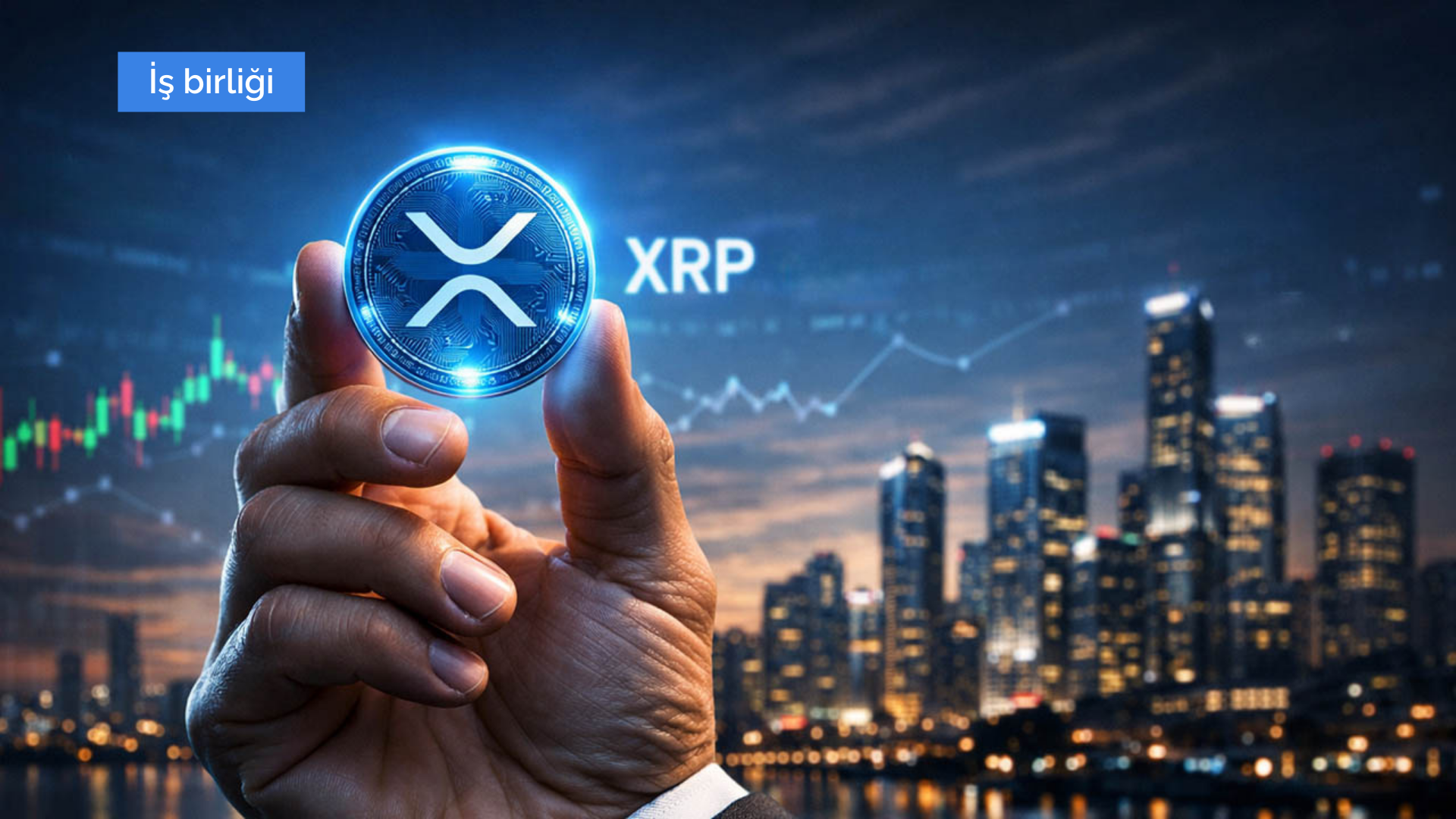
XRP (XRP) is gaining attention in the early days of 2026, focusing more on the technical infrastructure of the XRP Ledger and the balance of institutional demand created by spot XRP ETFs rather than price movements. As participants return to the markets after the new year, despite XRP consolidating around the 2 dollar range, the thesis of hard money is strengthening in the background.
At the center of the discussions on social media is the network's security and scarcity-focused design. Analysts argue that the key element that will make XRP the hardest money is not speculative expectations, but the network's capacity for global adoption. XRP's tier-1 asset status is evaluated based on the increase in network usage and the restriction of supply.
This hard money thesis is supported by three technical dynamics. First, the reserve structure of the XRP Ledger (XRPL) should be considered. A certain amount of XRP must be locked to open an account and perform specific transactions on the network. Current data shows that the base reserve is 1 XRP, while an additional 0.2 XRP is required for extra objects. This mechanism provides a low cost for individual users while creating a deterrent barrier against spam attacks.
The second important element is the burn mechanism of transaction fees. In the XRPL, transaction fees do not go to miners or validators; a small amount of XRP is permanently removed from circulation with each transaction. The third element is the fixed supply policy. The total supply is limited to 100 billion, and no new production is made, supporting the deflationary structure.
On the other hand, the increasing spot XRP ETF flows in the last weeks of 2025 became a concrete indicator of institutional interest. The total assets of spot XRP ETFs listed in the U.S. reached 1.25 billion dollars, but the price's movement within a narrow band indicates that selling pressure continues in the market. This situation reveals that institutional purchases are quietly conducted through the ETF channel while short-term investors see price increases as selling opportunities.
As we enter 2026, one of the biggest pressure factors on XRP, regulatory risk, has significantly decreased. The U.S. Securities and Exchange Commission's (SEC) lawsuit against Ripple ended with a 125 million dollar penalty, positively changing the risk perception among U.S. institutions. The market is now focused on how XRP will be used.
Finally, as the long-term hard money thesis of XRP matures, projects like Minotaurus (MTAUR) are also showing growth potential. These projects have achieved a positive differentiation based on demand within a specific ecosystem. In summary, one of the key points investors should pay attention to about XRP is institutional adoption and network development.
Sizin İçin Derlendi

.png)
Yakında Tüm Platformlarda
Sizlere kesintisiz haber ve analizi en hızlı şekilde ulaştırmak için. Yakında tüm platformlarda...
.png)