

Vitalik Buterin: Ethereum Is Approaching the BitTorrent and Linux Model
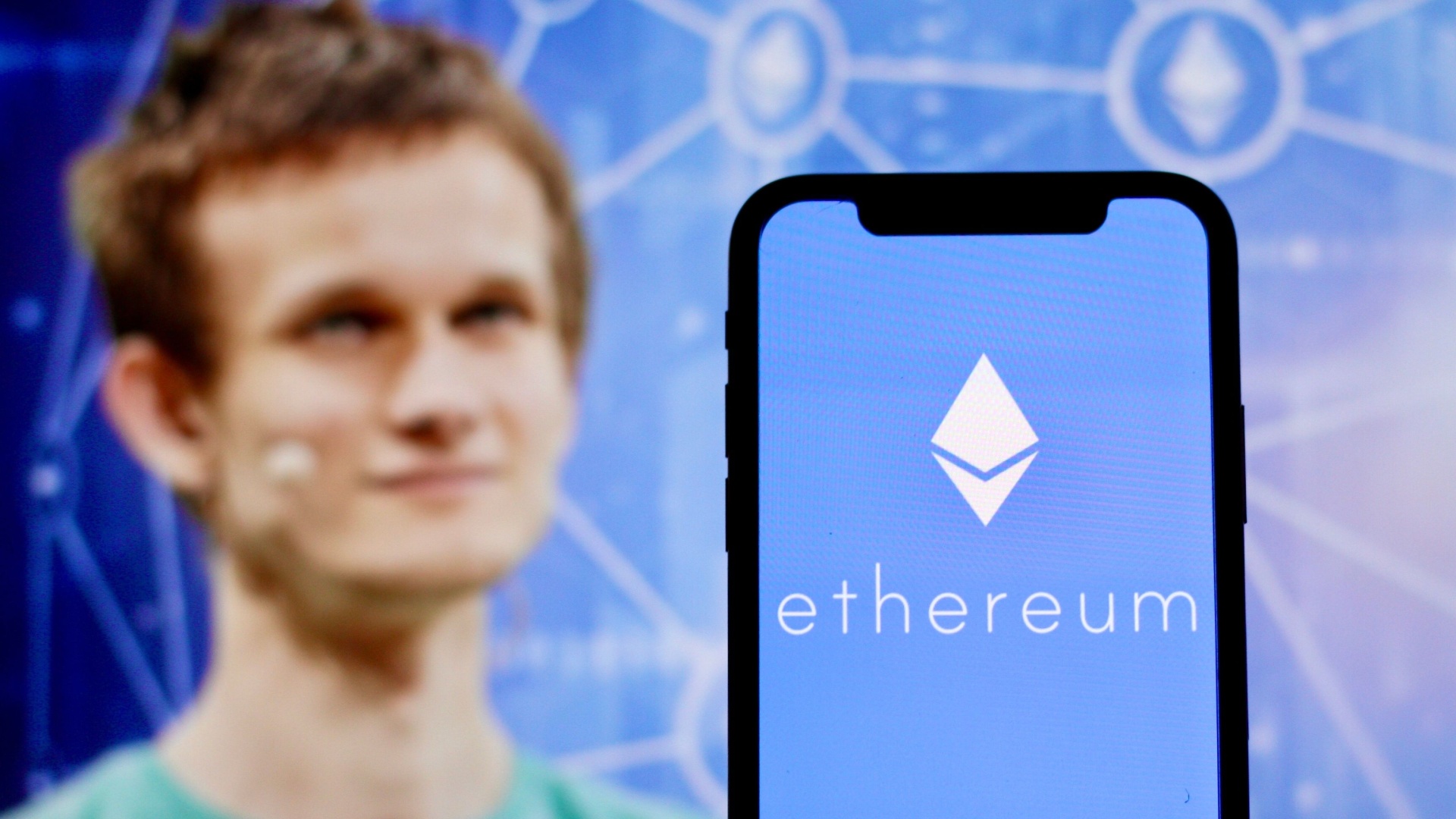
The founder of Ethereum, Vitalik Buterin, stated that the aim of Ethereum is to create an infrastructure that is both decentralized like BitTorrent and open-source like Linux. His statements made on January 8 particularly resonated within the cryptocurrency world. Buterin explained Ethereum's long-term vision through two powerful analogies and pointed to the importance of these analogies in the industry.
According to Buterin, Ethereum adopts the BitTorrent model, which can function on a global scale without compromising decentralization. At the same time, it combines the Linux approach, widely used by states and companies due to its open-source nature. This allows investors and users to leverage the full potential of the network without being dependent on intermediaries. The Ethereum mainnet, or L1 layer, aims to be a financial infrastructure center for individuals and institutions seeking a high level of autonomy.
The significance of Buterin's BitTorrent and Linux analogy is profound. BitTorrent demonstrates that a decentralized structure can reach millions of users. Linux, on the other hand, shows that open and decentralized systems can gain trust in the corporate world. The fact that Linux-based systems are used by billions of people, companies, and governments today stands as a fundamental basis for this notion. While emphasizing the need for companies for open and resilient ecosystems, Buterin indicated that "trustless" structures in the crypto world present an approach that reduces counterparty risk for traditional institutions.
In this context, it becomes clear that Ethereum is positioned not only for individual users but also as an infrastructure aiming for global corporate adoption. For investors, this long-term vision of Ethereum holds the potential to create a decisive impact on the future of the financial system.
Sizin İçin Derlendi




.png)
Yakında Tüm Platformlarda
Sizlere kesintisiz haber ve analizi en hızlı şekilde ulaştırmak için. Yakında tüm platformlarda...
.png)