

Market Instability: Dangers Awaiting Investors
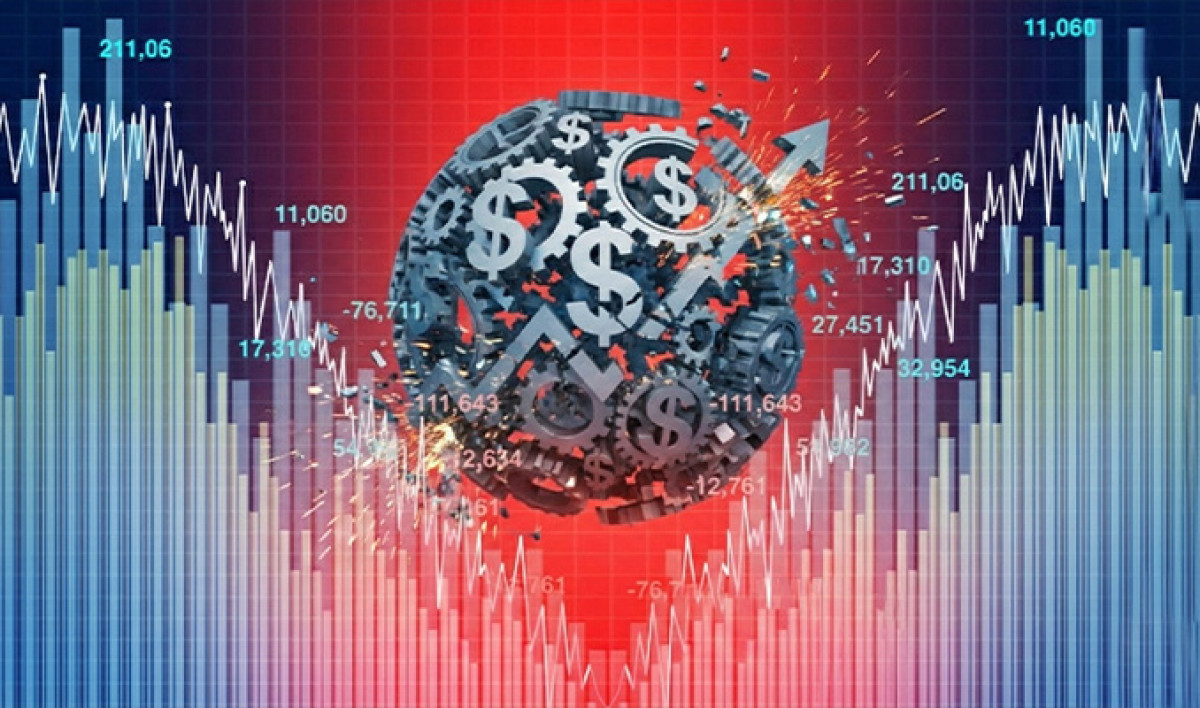
The True Face of Today's Markets
The current state of the markets is often described by investors as "uncertain." However, this concept fails to fully reflect the complex economic dynamics of today. Experts believe that the main concept that will influence the U.S. markets until 2026 is "instability." This situation arises from the continuous changes in market rules combined with uncertainty, creating a turbulent environment.
Continuous Change in the Stock Market
Instability is manifested in the constant change of stock market leadership. Fluctuations in economic data leave investors in uncertainty, yet there is no imminent threat of a stock market crash. Instead, winners amongst sectors and companies are continuously swapping places. This means that the journey awaiting investors could be quite tumultuous.
The Lasting Effects of Inflation
Today, the most prominent indicator of instability is inflation. Permanent demand surges and trade wars are keeping prices high, altering the economic cost structure. This variability also affects price movements in the markets.
The Difficult Choice of the Federal Reserve
The confusing nature of economic data puts the U.S. Federal Reserve (Fed) in a complex situation. The economy does not present a completely strong or entirely weak outlook. The Fed's interest rate policy deepens this uncertainty, bringing risks with every step.
Strategies to Pay Attention To
In this uncertain environment, investors should focus on
In conclusion, there may be unsettling moments in the markets; however, the potential for long-term returns should never be overlooked. The feeling of unease is often the price of long-term gains.
```Sizin İçin Derlendi



Benzer Haberler



.png)
Yakında Tüm Platformlarda
Sizlere kesintisiz haber ve analizi en hızlı şekilde ulaştırmak için. Yakında tüm platformlarda...
.png)