
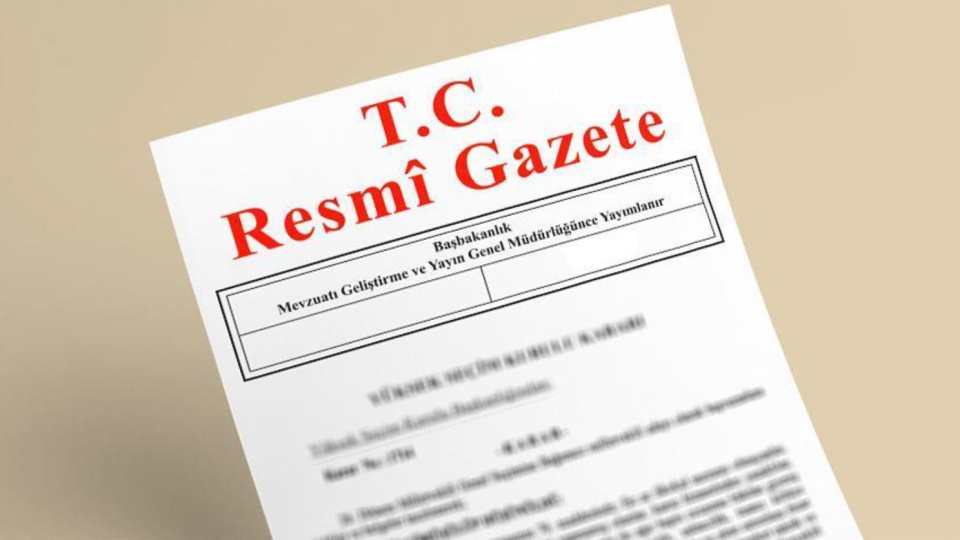
Moldova is following Turkey's model with its crypto regulations.

Moldova aims to take significant steps towards cryptocurrency with a regulation compliant with MiCA planned for implementation in 2026. The country, like Turkey, has decided not to recognize cryptocurrencies as an official payment method. This regulation constitutes an important part of the long-awaited legal framework by the Moldovan government.
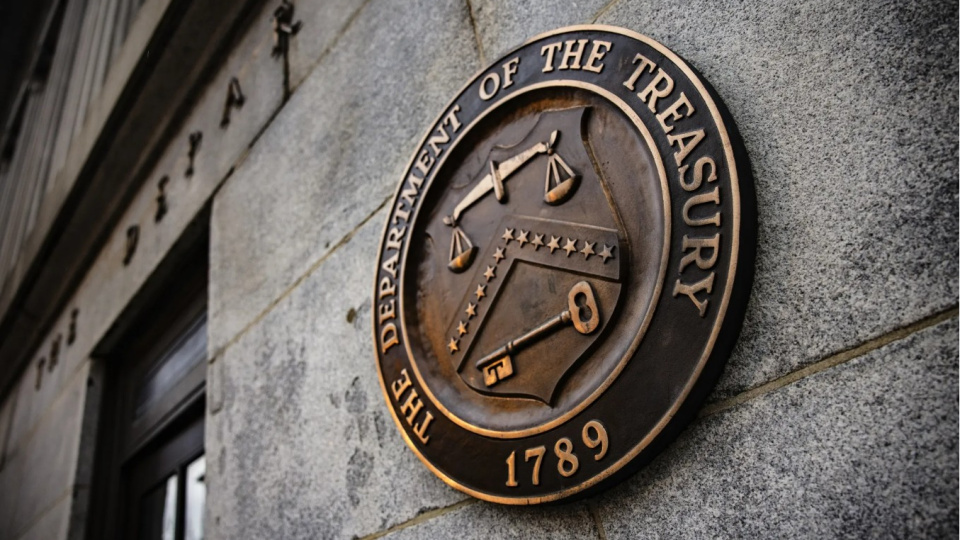
The new cryptocurrency regulation, expected to come into force in 2026, is being prepared in accordance with the European Union's MiCA standards. In this context, Moldovan citizens will be allowed to hold and trade cryptocurrencies; however, cryptocurrencies will be kept outside of official payment systems. Finance Minister Andrian Gavriliță stated in an announcement that cryptocurrencies carry high volatility and anti-money laundering (AML) risks, emphasizing that the recognition of cryptocurrencies as a legal payment method is not on the agenda.
The government's priority is not to completely liberate the market but to create a controlled and auditable structure. The model that Moldova will adopt largely overlaps with the existing approach in Turkey. In Turkey, cryptocurrencies are not legal, but investors can trade and store their assets. Additionally, the use of cryptocurrencies as a payment method is prohibited and they are not legally considered money.
Moldova's decision to follow a similar path indicates the emergence of a model that “does not close the door to crypto but also does not allow conversion into money.” This approach is seen as a way to strike a balance between financial stability and innovation, particularly for countries aiming for integration with Europe. Moldova seems to prefer creating a controlled area of freedom similar to Turkey, without completely excluding crypto. It would not be surprising if this approach serves as a reference for other countries in the future.
Sizin İçin Derlendi
.png)
Yakında Tüm Platformlarda
Sizlere kesintisiz haber ve analizi en hızlı şekilde ulaştırmak için. Yakında tüm platformlarda...
.png)