

Hurricane Categories Insufficient: New Classification Proposal
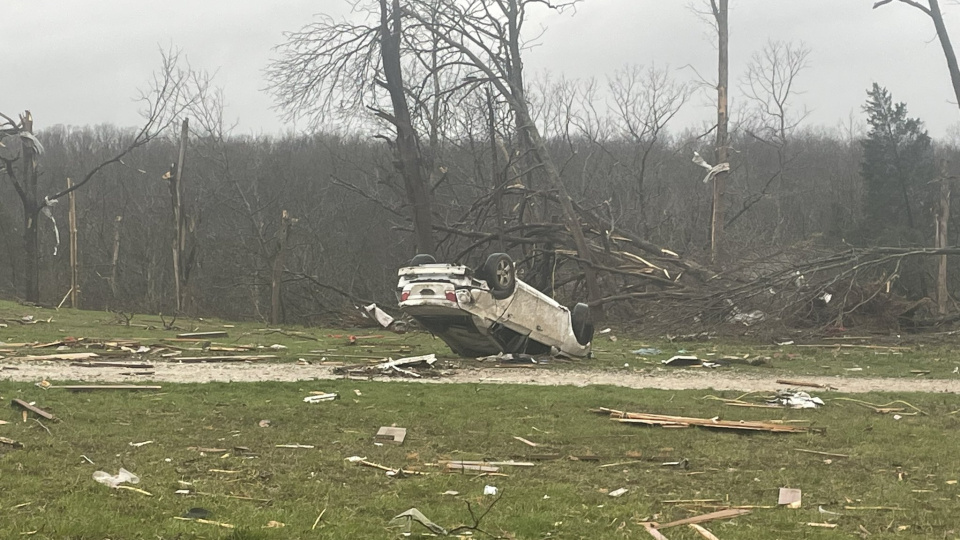
Hurricane Categories Need Updating
Global climate change is causing a significant increase in both the number and intensity of hurricanes. Experts express that the current hurricane classification criteria are inadequate.
Current Classification and Announced Danger
Hurricanes are categorized according to the Saffir-Simpson Scale, ranging from 1 to 5. Category 1 includes storms with wind speeds of 119-153 km/h, while category 5 has wind speeds of 252 km/h or more. However, experts are proposing a new 'Category 6' definition for hurricanes with wind speeds exceeding 296 km/h.
Scientific Research and Hotspots
Academics from National Taiwan University and the University of Hawaii indicated in a study published by the American Geophysical Union (AGU) that the growth of hotspots in the oceans is affecting hurricane intensity. The study reveals that climate change has a 60-70% impact on storm formation.
Critical Statistics
An investigation into major hurricanes over the past 40 years shows that the number of hurricanes with the potential for Category 6 is rapidly increasing. While 8 hurricanes were recorded between 1982-2012, this number rose to 10 between 2013-2023. This means that 55% of hurricanes occurring in the last decade contribute to this high momentum.
Role of Sea Temperatures
Prof. Dr. Murat Türkeş emphasizes that sea surface temperatures have risen to a critical threshold, increasing the intensity of tropical cyclones. “As sea surface temperature exceeds 27°C, stronger and more destructive hurricanes emerge,” he says. Türkeş notes that creating a new category is not just a statistical necessity but also vital for making communities more resilient to hurricane impacts.
Early Precautions and New Strategies
Strengthening urban infrastructure and developing early warning systems are critical roles in minimizing the negative effects of hurricanes amid climate change. These measures are essential to reduce the impacts of severe tropical cyclones that will be more frequently encountered in the future.
Sizin İçin Derlendi




Benzer Haberler

.png)
Yakında Tüm Platformlarda
Sizlere kesintisiz haber ve analizi en hızlı şekilde ulaştırmak için. Yakında tüm platformlarda...
.png)