

IMF's Warning on China and the Yuan: Trade Tensions are Growing
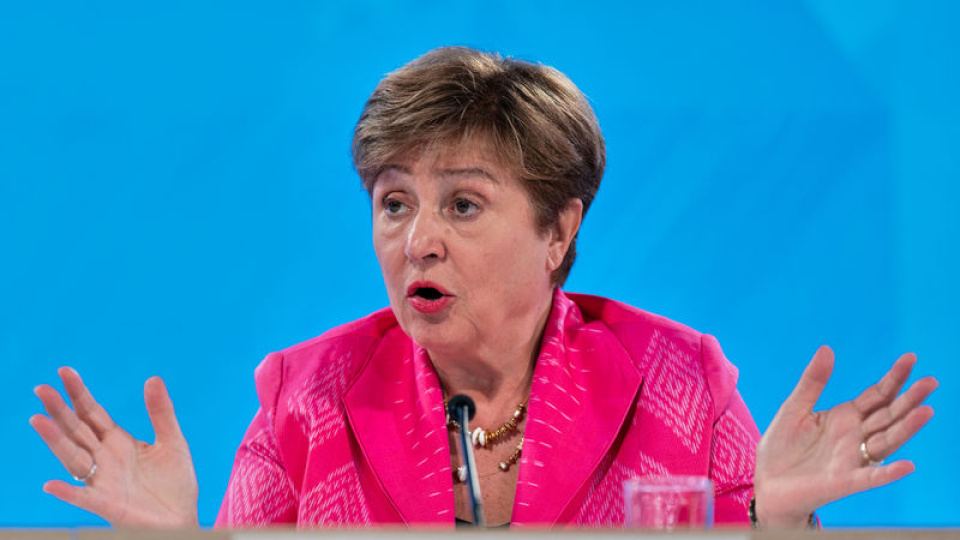
IMF Issues Serious Warnings on Chinese Economy
The International Monetary Fund (IMF) has completed its annual report on the Chinese economy, issuing important warnings regarding global trade dynamics. IMF officials noted that the low inflation levels for China's trading partners have caused the real value of the yuan to weaken. They emphasized that bolder consumption incentives need to be adopted to rectify this situation.
Important Statements from IMF President
IMF President Kristalina Georgieva stated at a press conference held in Beijing, "As the world's second-largest economy, China needs more than just exports for its growth. Continued reliance on exports could increase global trade tensions."
No Recommendations for Yuan Appreciation
Georgieva highlighted that the IMF did not provide any specific recommendations for increasing the value of the yuan. In recent years, China has made significant progress in production dominance and created a large trade surplus due to low exchange rates, as noted by U.S. President Donald Trump.
Discussions on the Yuan and Record Trade Surplus
Recently, the rising criticisms regarding the strengthening of the yuan have intensified as the inflation-adjusted value of China's currency fell to its lowest level in a decade. This is said to have made China's exports more competitive on a global scale.
China's goods trade surplus surpassed $1 trillion, reaching a record level in the first 11 months of 2023. In response to this situation, other countries have increasingly begun to take measures against China's export surges.
IMF's Market-Based Exchange Rate Proposal
Georgieva stated, "We want to see a market-based exchange rate that reflects fundamentals," drawing attention to market dynamics.
Sizin İçin Derlendi


Benzer Haberler

.png)
Yakında Tüm Platformlarda
Sizlere kesintisiz haber ve analizi en hızlı şekilde ulaştırmak için. Yakında tüm platformlarda...
.png)