

Divisions at the Fed are Growing: New President at Risk
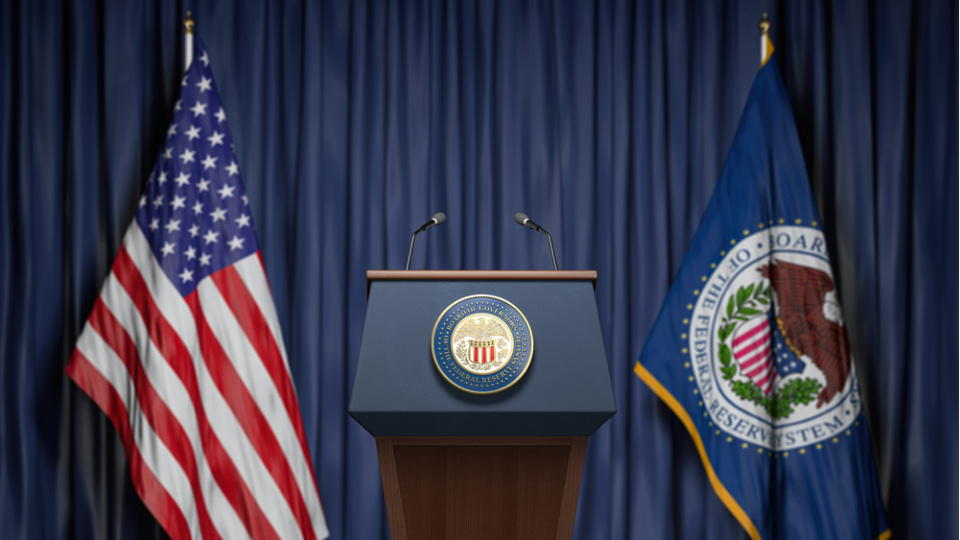
Fed Disagreements and Challenges for the New President
The discrepancies between the inflation and employment targets at the Federal Reserve (Fed) indicate a deepening problem in the upcoming period. Economic experts note that this situation could create significant challenges for the newly appointed Fed president and expect the conflicts to continue until 2026.
Expert Opinions: Interest Rate Cuts and Future Scenarios
Deutsche Bank's chief economist Matthew Luzzetti reported that current Fed Chairman Jerome Powell managed to reach consensus on three interest rate cuts this year despite the division within the board. However, he emphasized that the new president's likelihood of achieving a similar consensus would be low if inflation continues to remain high and the labor market remains weak.
Luzzetti stated, “The most likely scenario will be the continuation of interest rate cuts. However, there is also a risk of a board demanding interest rate hikes emerging in the coming days,” he said.
Independence Debates and Management Obligations
Huntington Bank's chief economist Ian Wyatt remarked that reaching consensus within the Fed has become increasingly difficult, noting that the new president will face a serious management test if they possess differing views from the general trend of the board.
Trump's Economic Policies and the Future of the Fed
During President Donald Trump's term, the Fed adopted a wait-and-see policy as it approached 2025. Fluctuations in customs tariffs and the impacts of immigration policies complicated the Fed’s economic assessments. Trump's reactions towards Powell raised concerns about the Fed's independence, while the new president will have to deal with these risks.
Additionally, the removal of Fed member Lisa Cook and the resignation of Adriana Kugler during the summer triggered a new period of uncertainty in the management of the central bank. The temporary appointment of Trump's Council of Economic Advisers Chairman Stephen Miran reignited discussions regarding the independence of the Fed.
```Sizin İçin Derlendi



Benzer Haberler


.png)
Yakında Tüm Platformlarda
Sizlere kesintisiz haber ve analizi en hızlı şekilde ulaştırmak için. Yakında tüm platformlarda...
.png)