
Bundesbank's Optimistic Expectations: German Economy to Revive by 2027
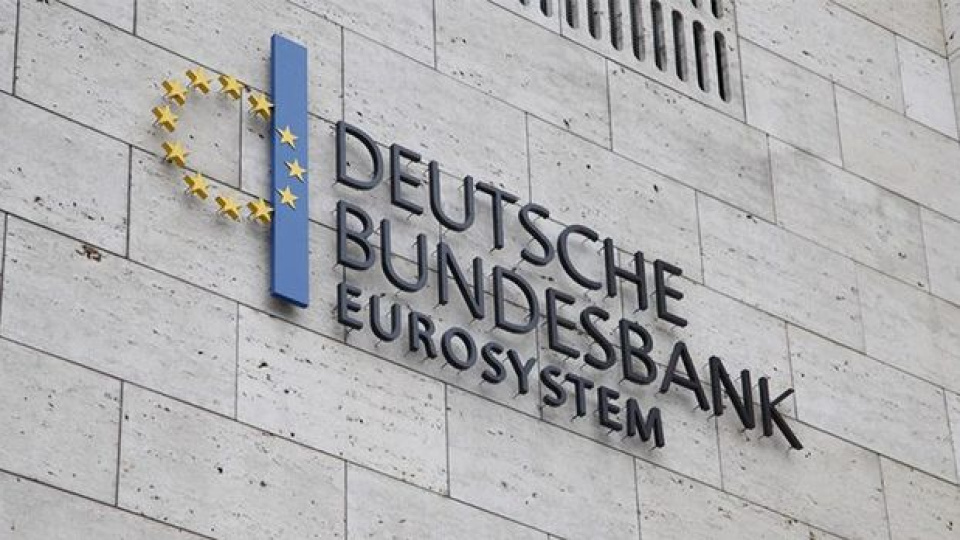
Promising Developments in the German Economy
The German Central Bank (Bundesbank) has expressed optimistic forecasts regarding the country's economic future. According to the bank's latest report, Germany's economy is expected to gradually recover next year, and by 2027, it will gain momentum through increased public spending.
GDP Growth Projections
According to Bundesbank's new forecasts, gross domestic product is expected to grow by 0.6% in 2026 and by 1.3% in 2027. In 2028, this rate is projected to be 1.1%.
Growth Expectations from Government Spending and Exports
Bundesbank President Joachim Nagel stated, "Economic growth will begin to increase significantly from the second quarter of 2026, particularly due to a revival in government spending and exports."
Increase in Bond Yields
Germany’s 10-year bond yield rose by 3 basis points to 2.88% following the forecasts. The 30-year bond yield rose to 3.53%, reaching its highest level since 2011.
Economic Challenges and Expectations
Germany has entered a prolonged period of stagnation due to the continuous decline in gross domestic product over the past two years. The country is vulnerable to factors such as high U.S. trade tariffs and increasing competition from China, while also facing structural issues like unstructured bureaucracy and a shortage of skilled labor.
Recovery from Recession and Inflation Expectations
The economy, which is expected to shrink in the April-June period of this year, is projected to achieve a 0.1% growth by the end of the year, managing to recover from recession. The growth rate for 2026 is projected to be 0.9% and 1.4% for 2027; however, these forecasts are considered more cautious compared to the government's estimates from October.
Regarding inflation, economists suggest that due to "continuously high wage increases," price rises are expected to decline more slowly than anticipated. Furthermore, the presence of upside risks in the inflation outlook is also noted.
Sizin İçin Derlendi

Benzer Haberler

.png)
Yakında Tüm Platformlarda
Sizlere kesintisiz haber ve analizi en hızlı şekilde ulaştırmak için. Yakında tüm platformlarda...
.png)