

AB-India Agreement: What Are Its Effects on Turkey?
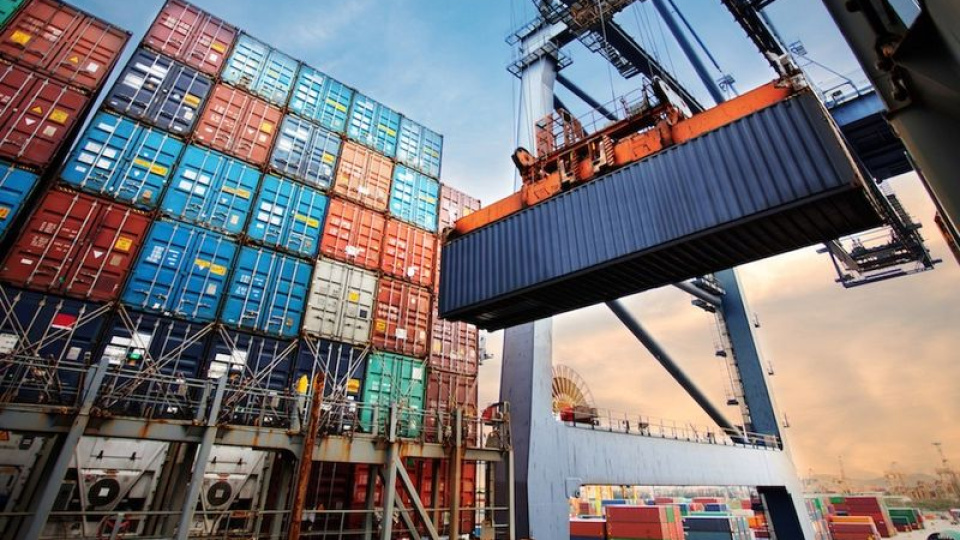
Free Trade Agreement Between the EU and India
ALARA AKGÜN
The Free Trade Agreement (FTA) signed between the European Union (EU) and India provides significant reductions in customs duties while opening doors for the services and agricultural sectors. This agreement is considered the largest FTA signed to date and is an important indicator for changes in global trade.
TÜSİAD Evaluations
TÜSİAD Chief Economist Gizem Öztok Altınsaç drew attention to the potential risks the agreement could pose for Turkey during a Bloomberg HT broadcast. Altınsaç stated, “The EU's agreement with India and Mercosur could negatively affect Turkey's exports.”
Sectoral Gains and Risks
Altınsaç noted that the gains from the agreement vary from sector to sector. While customs advantages primarily benefit the agricultural sector in Europe, sectors such as machinery equipment and electrical appliances grant advantages to India, she indicated.
“The discounts provided in the customs area could create a negative picture for Turkey. We must revise our existing Customs Union agreement,” she added.
Global Economy and Competitiveness
Highlighting the significant transformation in the global economy, Altınsaç emphasized that the EU aims to avoid uncertainties stemming from the USA and China. In this context, she noted that Turkey's efforts to update the Customs Union are a vital necessity.
Opportunities and Threats
In conclusion, while agreements pose risks for Turkey, they may also present opportunities in various sectors. Altınsaç stated, “Overall, these agreements that could work against us might also create opportunities for new initiatives.”
Becoming a Competitor to India
Altınsaç added that India is gradually becoming an important and challenging competitor for Turkey, drawing attention to India’s rapid rise in terms of competitiveness. For instance, she noted an increase in competition with India in the food sector.
The EU-India FTA is expected to usher in a new era in global trade and increase the structural reform needs of Turkey. Economists agree that updating the Customs Union is an urgent requirement.
```Sizin İçin Derlendi




Benzer Haberler
.png)
Yakında Tüm Platformlarda
Sizlere kesintisiz haber ve analizi en hızlı şekilde ulaştırmak için. Yakında tüm platformlarda...
.png)