

January 30: A Turning Point for American Markets
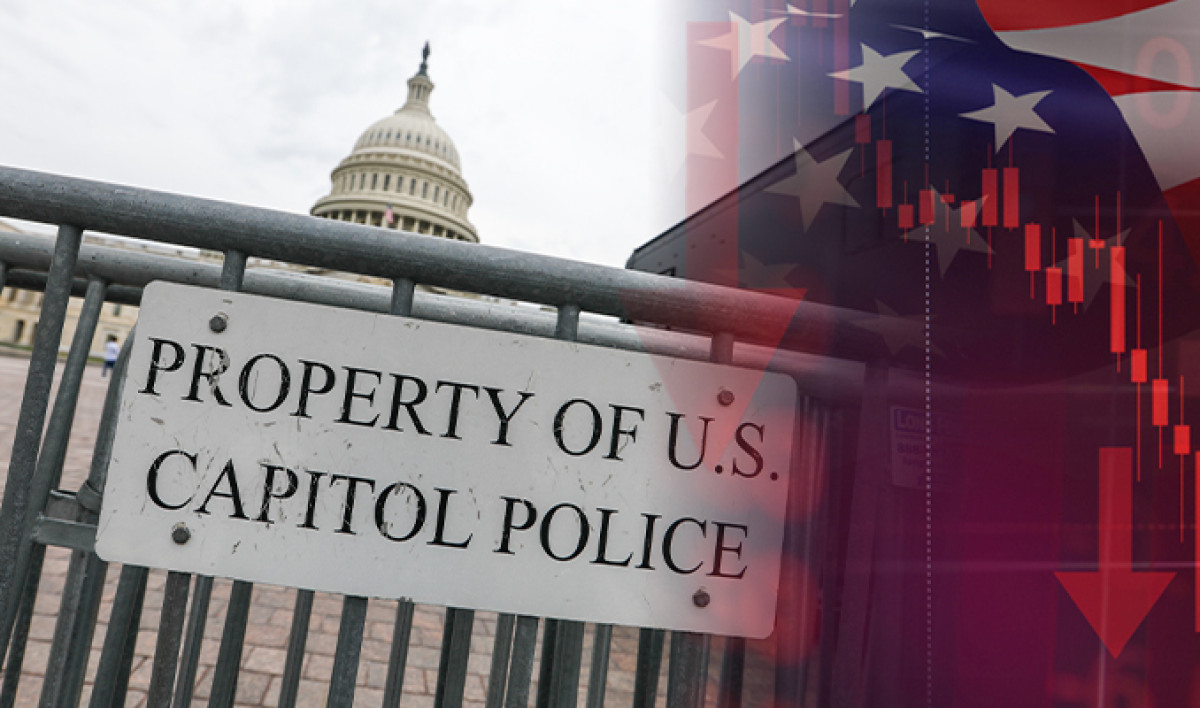
Critical Date for Wall Street Investors
A significant date is approaching for investors in the American stock markets: January 30. This date is considered as the final stage of critical steps that the US government needs to take to avoid a potential shutdown. The 43-day shutdown experienced last year remains fresh in the minds of analysts, and it is emphasized that investors should not ignore this period.
Political Developments Influencing the Markets
The impact of political gridlock on the stock market may be important this time, just as it has been in the past. However, the point of concern for analysts is that the risks may be greater this time. Some market observers are warning that a complete collapse in the US stock markets could occur at the end of January if the government shuts down.
Blind Flight: The Consequences of Uncertainty
The main reason for analysts' pessimistic scenario is uncertainty. If the US Congress fails to reach an agreement on the budget or temporary financing, critical institutions like the US Department of Labor and Department of Commerce will lock their doors. In this case, the inability to release crucial data affecting the direction of the market, such as GDP, employment, and inflation, will lead investors to remain in a tight state of uncertainty.
Experts indicate that investors without data will be forced to make a "blind flight" and that this situation could lead to irrational price fluctuations, particularly in the finance and retail sectors.
The Economic Cost of a Shutdown
Beyond debts, the economic bill of a government shutdown is quite heavy. According to the US Congressional Budget Office, the previous long-term shutdown that ended in 2025 cost the US economy about $11 billion. Hundreds of thousands of federal employees not receiving their salaries directly negatively affects consumer spending and local economies.
Could History Repeat Itself?
Although the risks appear quite evident, historical data also shows that markets may be resilient to similar crises. During last year's shutdown process, the S&P 500 Index rose by 2.4%, while gold prices reached historical highs. Market participants generally regard these processes as temporary crises and redirect their main focus to Fed policies and corporate balances. Nonetheless, the January 30 date remains a topic of careful monitoring by Wall Street due to the risks it carries.
```Sizin İçin Derlendi



Benzer Haberler


.png)
Yakında Tüm Platformlarda
Sizlere kesintisiz haber ve analizi en hızlı şekilde ulaştırmak için. Yakında tüm platformlarda...
.png)