

"Smartphone production will drop in 2026 due to the chip crisis."
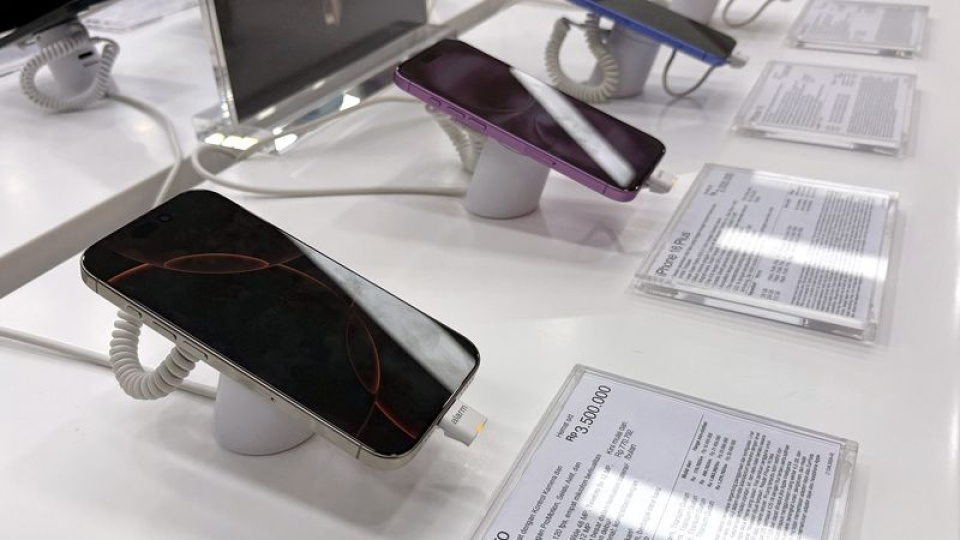
Impact of Chip Crisis on Smartphone Production
According to research firm Counterpoint Research, the memory chip shortage will constrain smartphone production by driving up costs. Global smartphone shipments are expected to decline by 2.1% in 2026.
Background of the Forecast
This decline contrasts with Counterpoint's projection of a 3.3% increase for this year. Additionally, average smartphone prices are expected to rise by 6.9% in 2026.
Developments in the Semiconductor Sector
The acceleration of global artificial intelligence development has directed semiconductor manufacturers, such as Nvidia Corp., toward advanced memory production. This has led to a critical shortage of dynamic random-access memory (DRAM), essential for a wide range of electronic products from laptops to electric vehicles.
Response of Consumer Electronics Manufacturers
In recent months, consumer electronics manufacturers like Xiaomi have raised concerns about potential price increases, while Lenovo Group has begun stocking memory in anticipation of rising costs.
Market Dynamics and Effects
Nintendo's shares saw a significant drop in December due to concerns over its flagship Switch 2 console. In the smartphone market, Chinese brands like Honor Device Co. and Oppo are in a more vulnerable position due to low profit margins.
Conclusion and Expectations
According to Counterpoint, the memory chip shortage will particularly affect entry-level smartphones. Senior analyst Yang Wang noted that Apple and Samsung are best positioned to weather difficult times, while others will struggle to balance market share and profit margins.
The impact on consumers will be felt as companies steer users towards higher-end models. Other alternatives include repurposing older components or selling phones with less memory.
```Sizin İçin Derlendi





Benzer Haberler



.png)
Yakında Tüm Platformlarda
Sizlere kesintisiz haber ve analizi en hızlı şekilde ulaştırmak için. Yakında tüm platformlarda...
.png)